“A cartilage injury from an old sports accident was finally repaired properly.”
KNEE PRESERVATION
Arthroscopic Cartilage
Arthroscopic Cartilage
Transplant (OATS)
A precise, keyhole procedure that repairs a damaged patch of knee cartilage using your own healthy tissue, helping protect your joint for years to come.
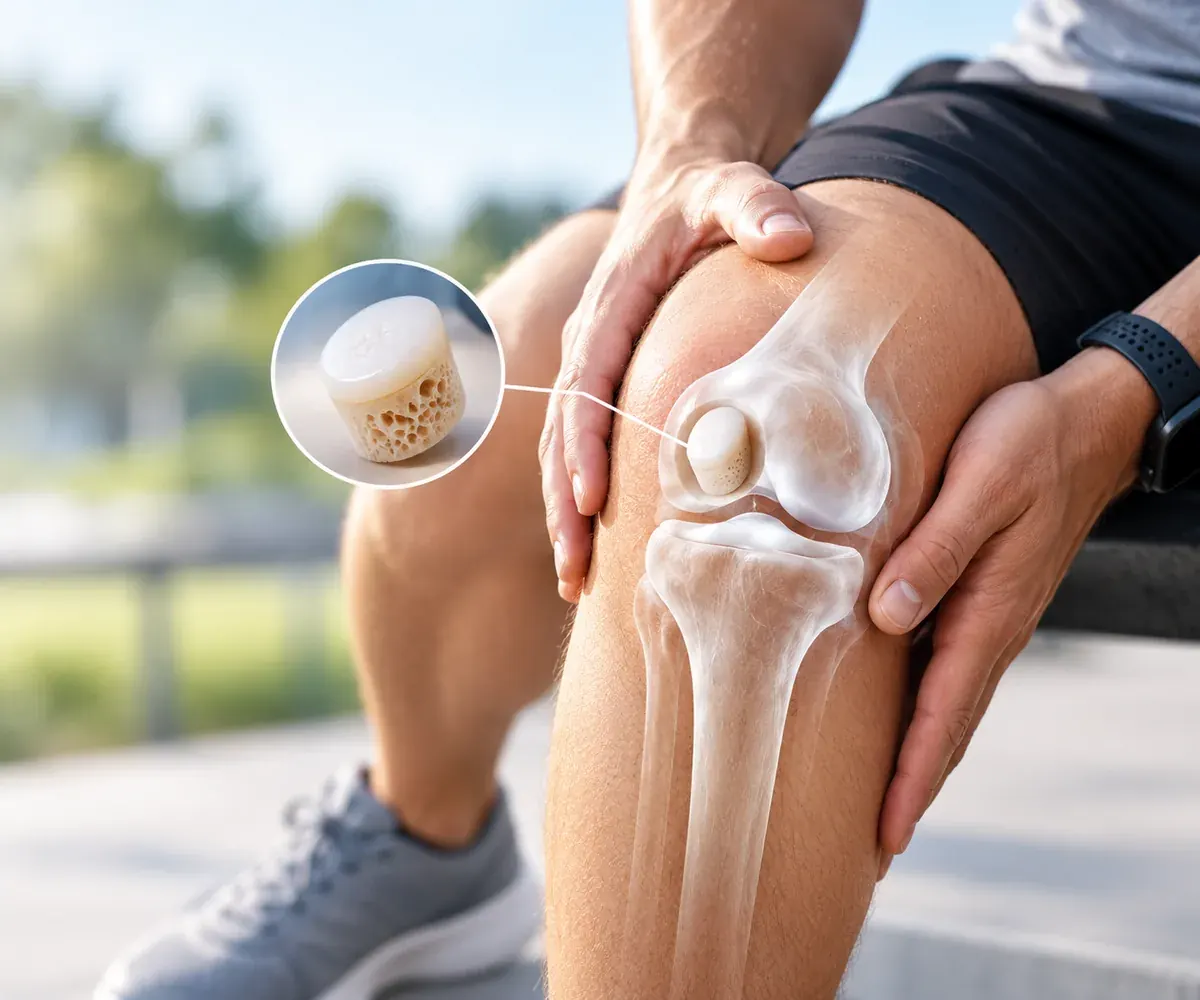
Arthroscopic cartilage transplant (OATS), at a glance.
A quick summary of what the procedure involves, who it's for, and what to expect — from recovery to cost.
Arthroscopic cartilage transplant (OATS) is a minimally invasive procedure that transfers healthy cartilage and bone from your own knee to repair a focal cartilage defect. Recommended for younger, active patients with a localised injury rather than widespread arthritis. Full recovery typically takes 6 to 9 months. Total cost varies by defect size and is confirmed during consultation.
ABOUT THE TREATMENT
A Smarter Approach to Cartilage Repair
Arthroscopic cartilage transplant, known as OATS, repairs a focal area of damaged cartilage using healthy tissue from a non-weight-bearing part of your own knee. Dr. Unmesh maps the defect on imaging, then transfers matching cartilage-and-bone plugs through small keyhole incisions with precise technique. The result is a smoother joint surface and a real chance to delay arthritis in that part of the knee.
Minimally
invasive
invasive
Precision
defect repair
defect repair
Your own
healthy tissue
healthy tissue
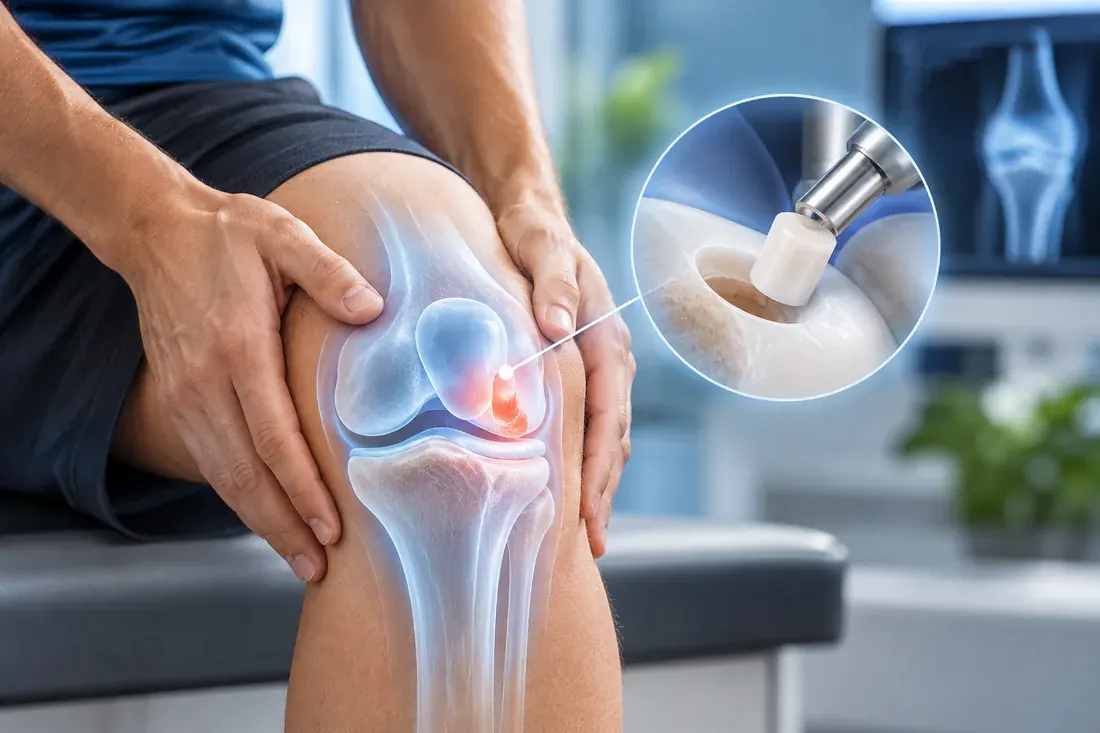
OUR SURGICAL APPROACH
Precision Arthroscopic Technique
-
01
High-definition arthroscopic camera
-
02
Small, keyhole incisions
-
03
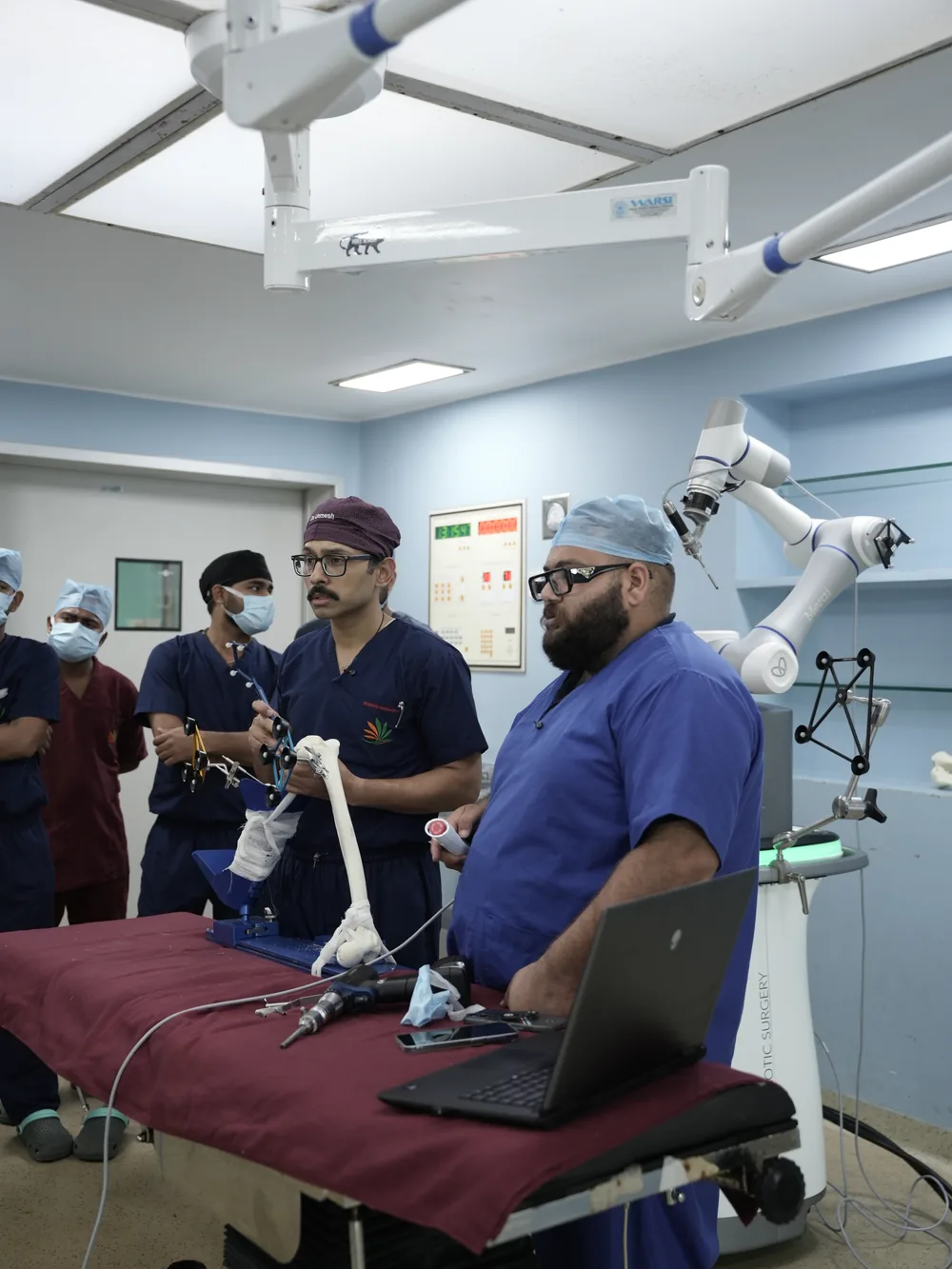
Your own tissue used — Dr. Unmesh personally matches and places each graft
BENEFITS
Benefits of Arthroscopic
Cartilage Transplant
A precise, minimally invasive path to a healthier joint surface. Using your own tissue helps protect your knee for the long run.
01
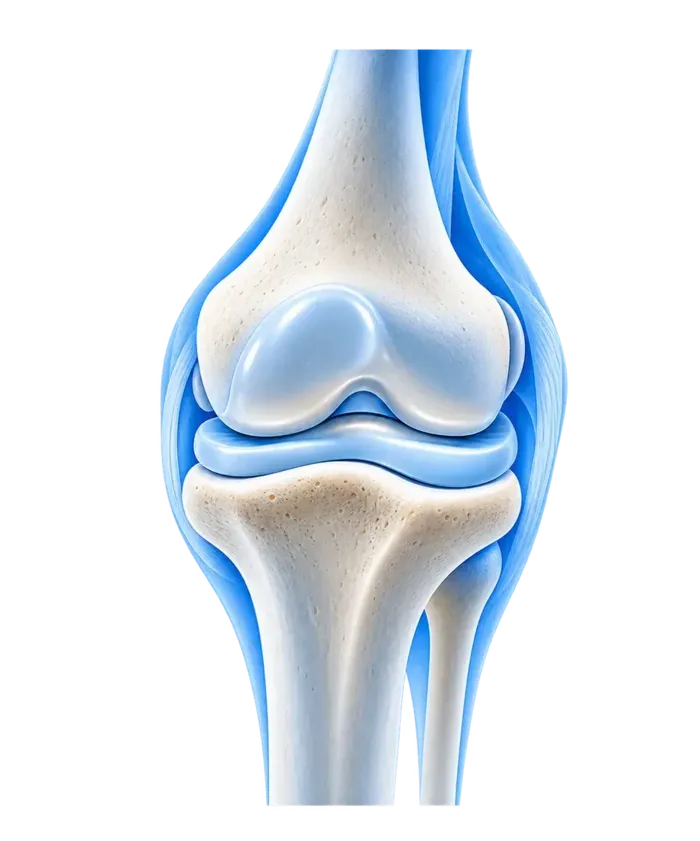
Restores Joint
Restores Joint
Surface
Healthy cartilage replaces the damaged area, smoothing the joint surface.
02
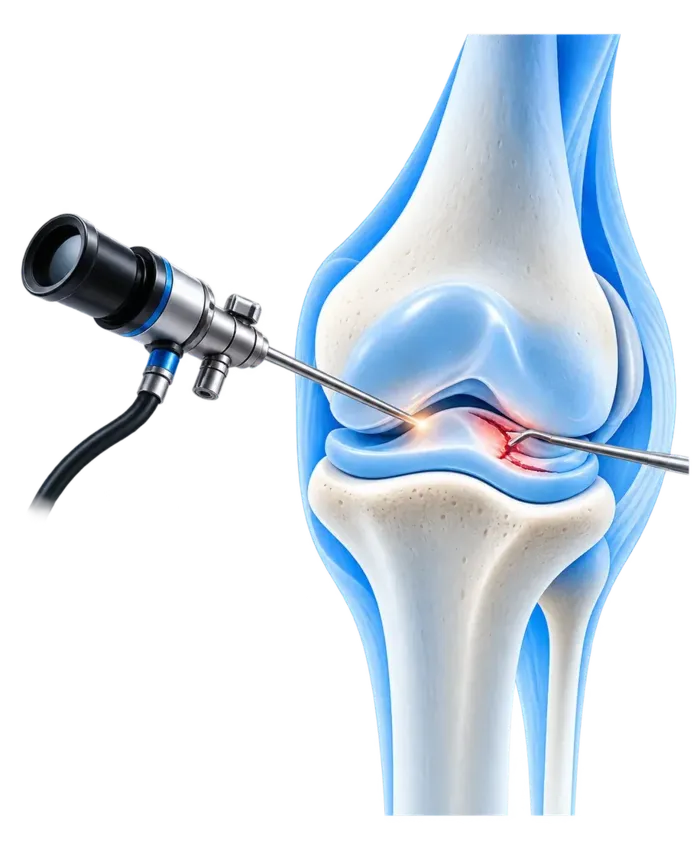
Minimally
Minimally
Invasive
Small keyhole incisions mean less tissue disruption and scarring.
03
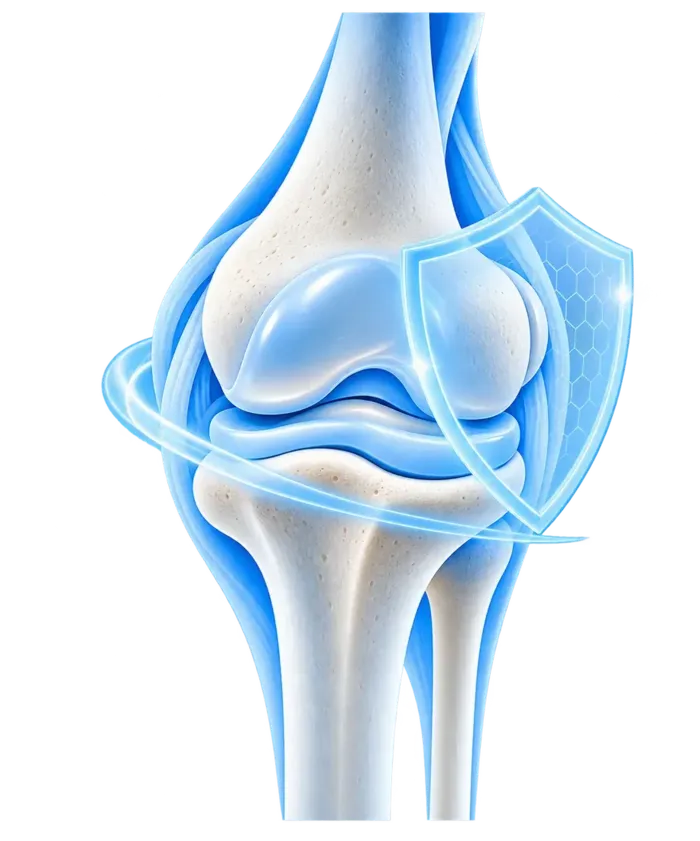
Your Own
Your Own
Healthy Tissue
Using your own cartilage avoids rejection risk and aids integration.
04
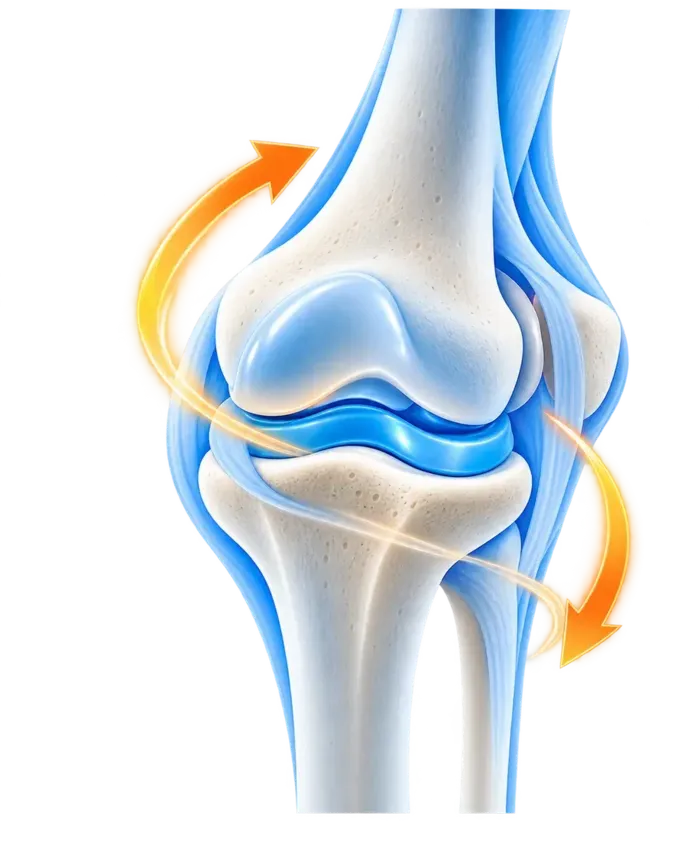
Delays
Delays
Arthritis
Repairing the defect helps protect that part of the knee long-term.
05
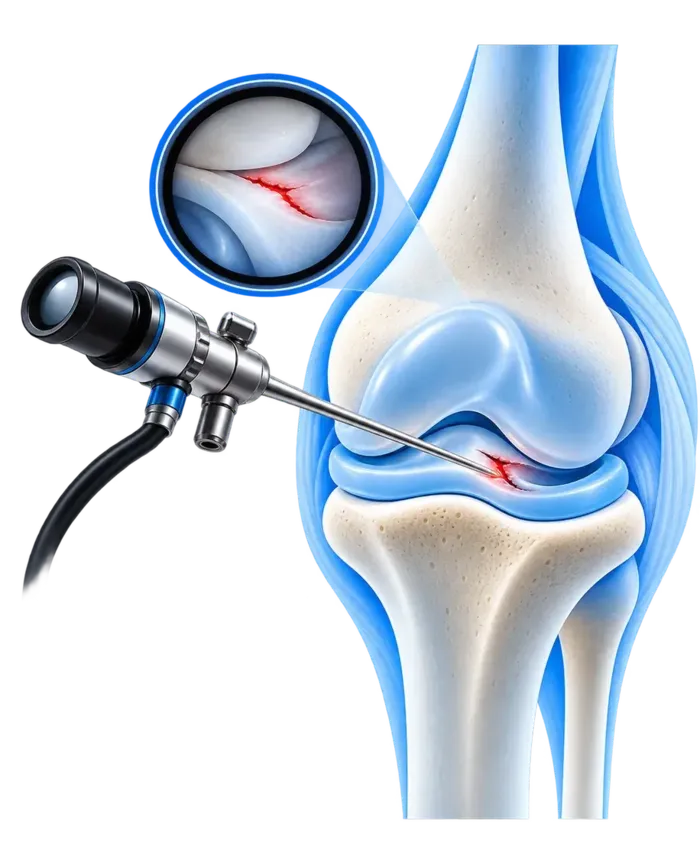
High-Definition
High-Definition
Precision
Arthroscopic camera guidance helps ensure accurate graft placement.
06
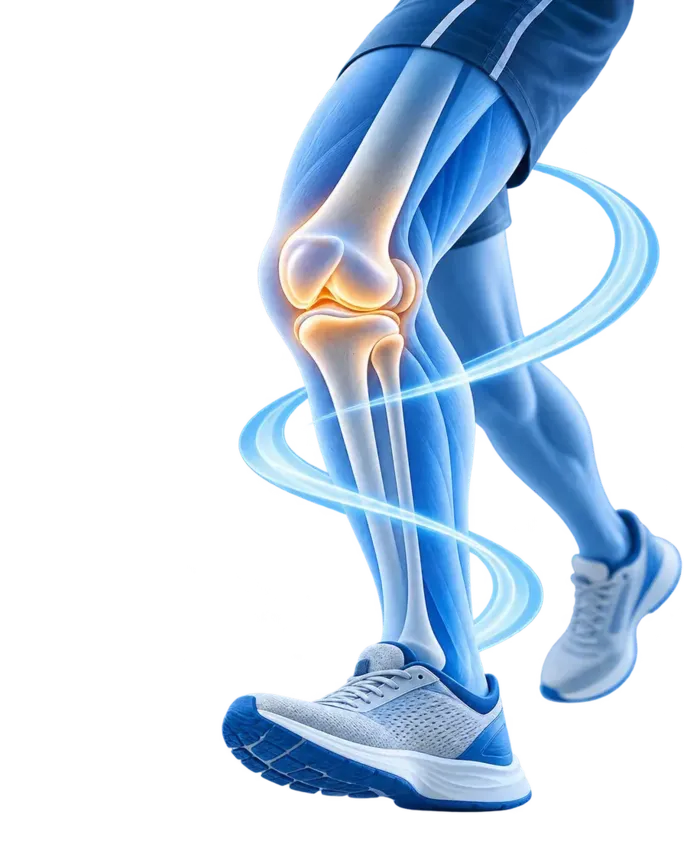
Ideal for
Ideal for
Active Patients
A preferred option for younger, active patients with a focal defect.
WHY CHOOSE DR. UNMESH
Experience. Expertise. Better Outcomes.
A patient-first approach, backed by years of experience and advanced surgical expertise, to help you move better and live pain-free.
19+
Years of
Experience
Experience
1,100+
Joint
Replacements
Replacements
14,000+
Surgeries
Performed
Performed
“
Surgery is never the first conversation — my goal is to help you move better and live pain-free, with or without an operation.
— Dr. UnmeshSYMPTOMS & WHO NEEDS IT?
Could Cartilage
Transplant Be
Right for You?
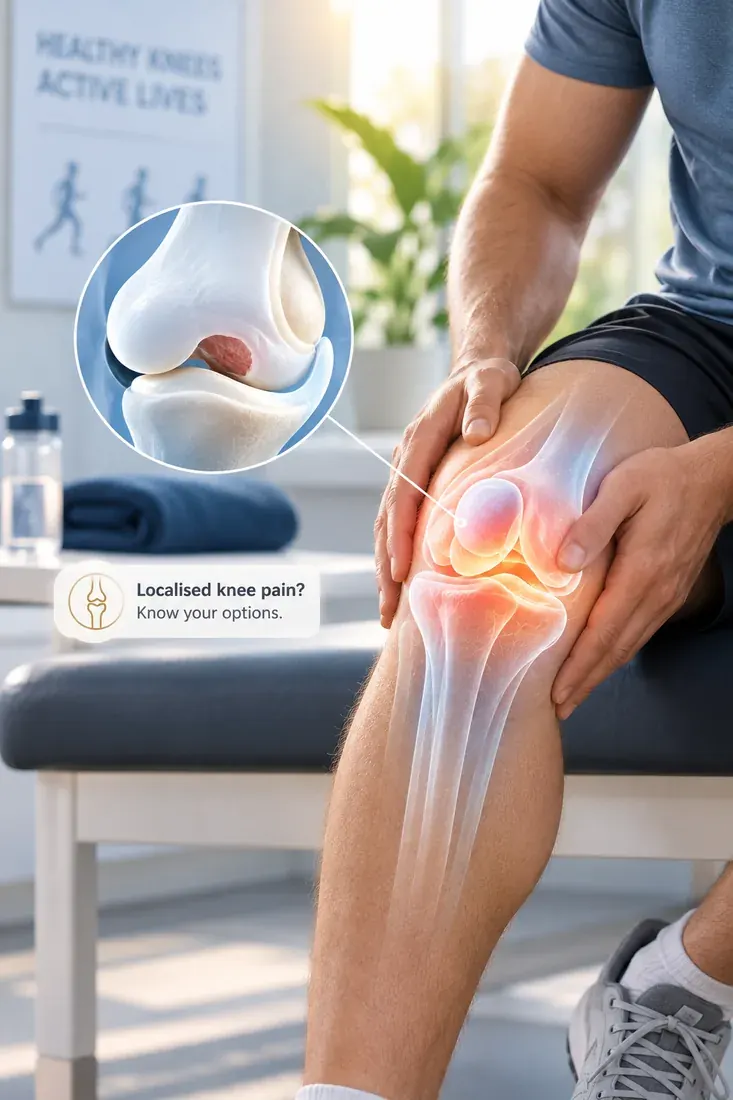
Not every cartilage injury needs surgery, but a focal defect that hasn't healed often does. If you notice these signs, it may be time for an assessment.
-
01
Pain in One Specific Spot
Pain that consistently points to one localised area of the knee.
-
02
Catching or Locking
A sensation of your knee catching or briefly locking during movement.
-
03
water_drop
Recurring Swelling
Swelling that returns after activity, especially high-impact movement.
-
04
History of a Knee Injury
Symptoms that trace back to a specific past injury or trauma.
-
05
monitoring
Focal Defect Confirmed on MRI
Imaging shows a localised cartilage defect rather than widespread wear.
-
06
Younger, Active Lifestyle
Generally suits younger patients wanting to preserve their natural knee.
HOW THE SURGERY WORKS
A Step-by-Step Journey
From consultation to recovery, we ensure a smooth and well-guided experience at every stage of your cartilage transplant.
01
Consultation & Evaluation
We understand your condition, discuss your goals and create a personalised treatment plan.
02
Advanced Planning
MRI imaging maps the defect precisely and helps plan the graft transfer.
03
biotech
Arthroscopic Cartilage Transplant
Using keyhole instruments, we transfer healthy cartilage to repair the defect.
04

Recovery & Rehabilitation
A protected weight-bearing and physiotherapy plan helps the graft integrate.
05
Long-Term Support
We continue to monitor your progress to ensure lasting joint health.
RECOVERY TIMELINE
What to Expect After Surgery
Cartilage transplant takes time to heal fully, as the transferred tissue needs to integrate with your joint.
Day 1
Protected StartMost patients go home the same day, with weight-bearing carefully limited.
PROTECTED START2–6 Weeks
Allowing the Graft to SettleRestricted weight-bearing protects the graft while it beds in.
PROTECTING THE GRAFT6–12 Weeks
Progressive LoadingWeight-bearing gradually increases as the graft integrates further.
INCREASING MOBILITY3–6 Months
Building StrengthStrengthening exercises help rebuild muscle and joint confidence.
BUILDING STRENGTH6–9 Months
Return to ActivityMost patients return to sport once the graft has fully integrated.
A MORE ACTIVE YOU
FREQUENTLY ASKED QUESTIONS
Your Questions, Answered
What is arthroscopic cartilage transplant (OATS)?
OATS (osteochondral autograft transfer) repairs a focal area of damaged cartilage by transferring healthy cartilage and bone from a non-weight-bearing part of your own knee. It is performed arthroscopically to restore a smooth, functional joint surface.
How is this different from a knee replacement?
OATS repairs a single, localised area of cartilage damage using your own tissue, preserving the rest of the joint. Knee replacement resurfaces the whole joint and is used for widespread arthritis, not an isolated defect.
How long does the surgery take?
Arthroscopic cartilage transplant typically takes 60 to 90 minutes, depending on the size and location of the defect. Precise, camera-guided technique helps ensure the transferred cartilage plugs are placed accurately.
When can I put weight on my knee?
Most patients need a period of protected or non-weight-bearing movement, often several weeks, to allow the transplanted cartilage to settle. Dr. Unmesh will guide your specific weight-bearing schedule based on the defect treated.
How long is the recovery period?
Full recovery typically takes 6 to 9 months, as the transplanted cartilage and bone need time to integrate fully. Structured physiotherapy throughout this period helps restore strength, movement and confidence in the knee.
Is the cartilage taken from my own body?
Yes, in an autograft procedure the cartilage and bone are taken from a healthy, non-weight-bearing area of your own knee. Using your own tissue avoids rejection risk and supports better long-term integration.
Is cartilage transplant safe?
Yes, arthroscopic cartilage transplant is a well-established, minimally invasive procedure. Small incisions and precise, camera-guided technique help minimise tissue trauma, and Dr. Unmesh monitors your recovery closely.
Am I a candidate for cartilage transplant?
OATS generally suits younger, active patients with a focal cartilage defect from injury, rather than widespread arthritis. Dr. Unmesh will confirm candidacy through examination and MRI imaging of the defect's size and location.
When can I return to sport?
Most patients return to sport and demanding activity around 6 to 9 months after surgery, once the graft has integrated and strength has been rebuilt. Dr. Unmesh will confirm readiness through a structured assessment.
What happens if the defect is left untreated?
An untreated cartilage defect can worsen over time and increase the risk of early arthritis in that part of the knee. Dr. Unmesh can help you understand your options and the right timing for treatment.