“My knee kept giving way playing football, and now it feels completely stable again.”
KNEE PRESERVATION
Arthroscopic Ligament
Arthroscopic Ligament
Reconstruction
A minimally invasive, keyhole surgery that rebuilds a torn knee ligament using your own tendon graft, restoring stability and helping you return to the activities you love.
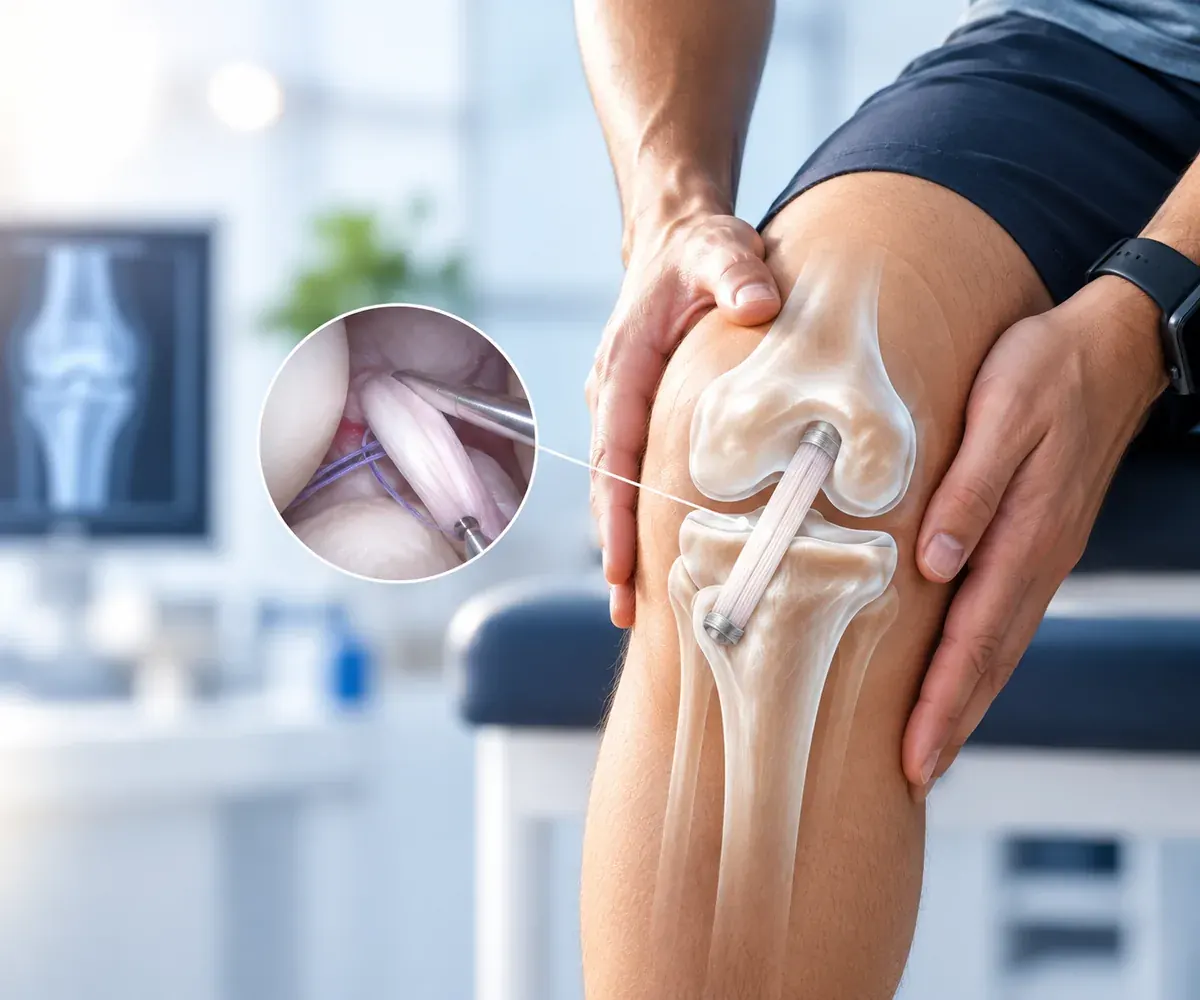
Arthroscopic ligament reconstruction, at a glance.
A quick summary of what the procedure involves, who it's for, and what to expect — from recovery to cost.
Arthroscopic ligament reconstruction is a minimally invasive, keyhole surgery that rebuilds a torn knee ligament, most often the ACL, using a tendon graft to restore stability. Recommended for patients with recurrent instability, often from a sports or twisting injury. Return to daily activity typically takes 6 to 8 weeks, with sport resuming around 9 to 12 months. Total cost varies by graft type and is confirmed during consultation.
ABOUT THE TREATMENT
A Smarter Approach to Ligament Reconstruction
Arthroscopic ligament reconstruction rebuilds a torn knee ligament, most commonly the ACL, using a tendon graft taken from your own body. Dr. Unmesh assesses your injury and activity goals to select the right graft, then places it through small keyhole incisions with precise, camera-guided technique. The result is a stable, well-supported knee ready to return to demanding activity.
Minimally
invasive
invasive
Precision
graft placement
graft placement
Restored
knee stability
knee stability
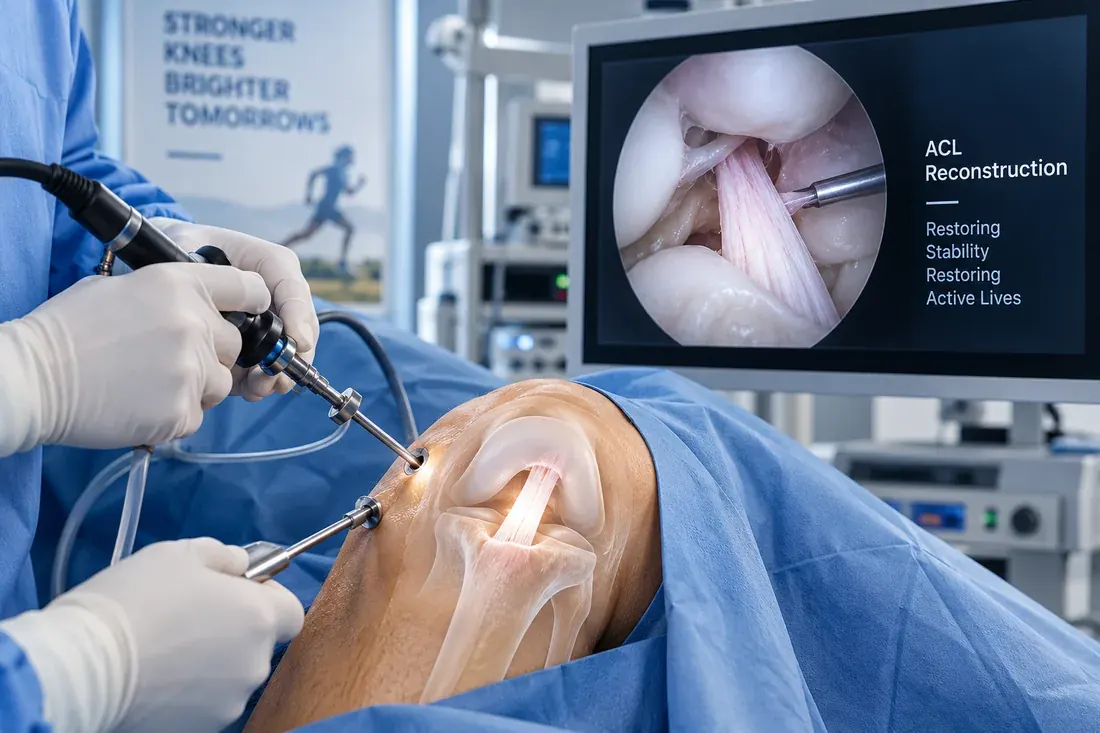
OUR SURGICAL APPROACH
Precision Arthroscopic Technique
-
01
High-definition arthroscopic camera
-
02
Small, keyhole incisions
-
03
Graft secured with precision — Dr. Unmesh personally confirms fixation before closing
BENEFITS
Benefits of Arthroscopic
Ligament Reconstruction
A precise, minimally invasive path to a stable knee. Restoring your ligament helps you move with confidence again.
01
Restores
Restores
Stability
A new, securely fixed graft restores the stability your knee needs.
02
Minimally
Minimally
Invasive
Small keyhole incisions mean less tissue disruption and scarring.
03
Your Own
Your Own
Tissue Graft
Using your own tendon reduces rejection risk and aids healing.
04
Protects
Protects
Other Structures
A stable knee reduces the risk of further meniscal or cartilage injury.
05
High-Definition
High-Definition
Precision
Arthroscopic camera guidance helps ensure accurate graft placement.
06
Return
Return
to Sport
Helps active patients return safely to pivoting sports and activity.
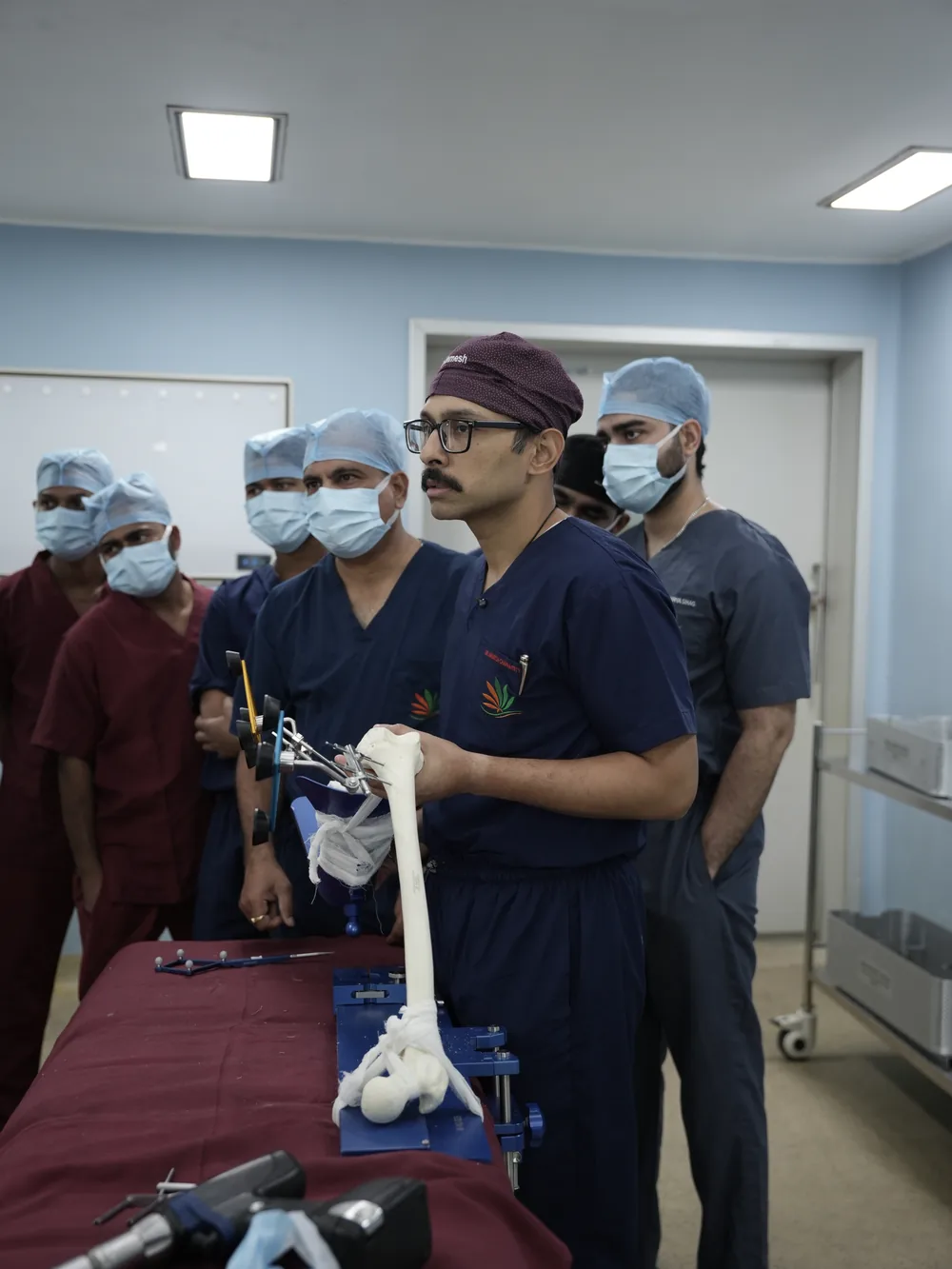
WHY CHOOSE DR. UNMESH
Experience. Expertise. Better Outcomes.
A patient-first approach, backed by years of experience and advanced surgical expertise, to help you move better and live pain-free.
19+
Years of
Experience
Experience
1,100+
Joint
Replacements
Replacements
14,000+
Surgeries
Performed
Performed
“
Surgery is never the first conversation — my goal is to help you move better and live pain-free, with or without an operation.
— Dr. UnmeshSYMPTOMS & WHO NEEDS IT?
Could Ligament
Reconstruction Be
Right for You?
Not every ligament injury needs surgery, but ongoing instability often does. If you notice these signs after an injury, it may be time for an assessment.
-
01
Knee Giving Way
A feeling that your knee buckles or gives way, especially when pivoting.
-
02
Injury from Twisting or Pivoting
Symptoms that began after a sudden twist, pivot or awkward landing.
-
03
water_drop
Swelling Soon After Injury
Rapid swelling within hours is a common sign of a ligament injury.
-
04
A Pop Felt at the Time of Injury
Many patients recall feeling or hearing a pop when the injury occurred.
-
05
Difficulty Returning to Sport
Ongoing hesitation or instability when trying to return to sport.
-
06
monitoring
Confirmed Ligament Tear on MRI
Imaging confirms a tear that has not responded to conservative care.
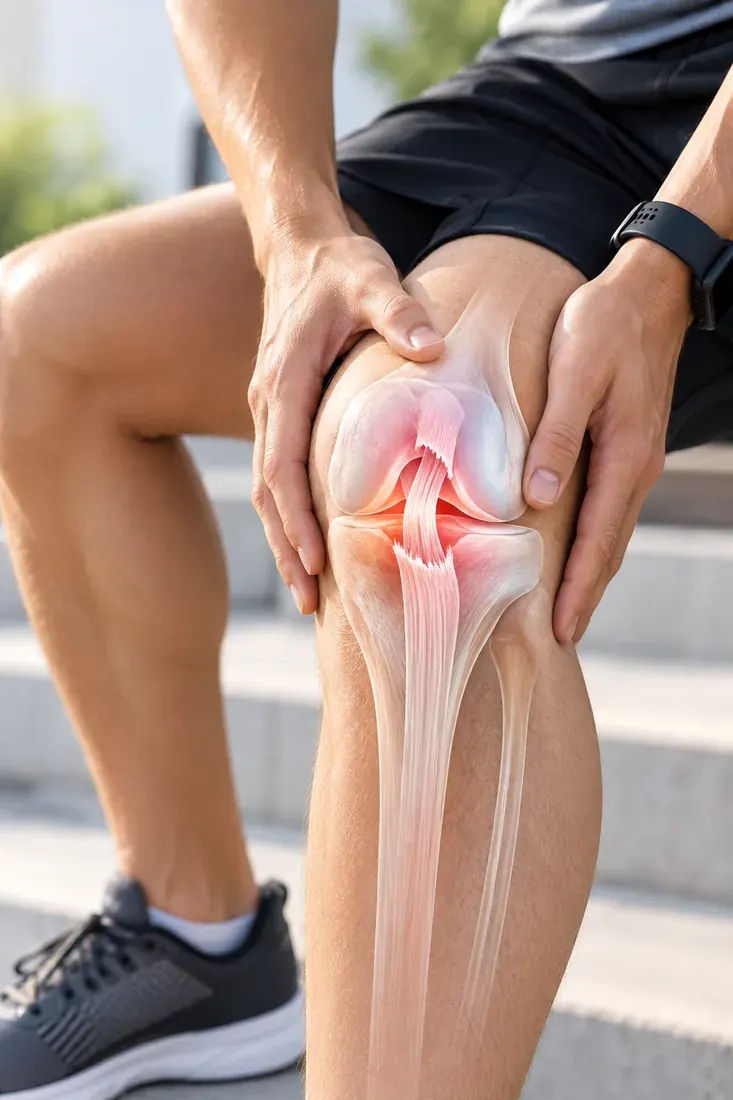
HOW THE SURGERY WORKS
A Step-by-Step Journey
From consultation to recovery, we ensure a smooth and well-guided experience at every stage of your ligament reconstruction.
01
Consultation & Evaluation
We understand your condition, discuss your goals and create a personalised treatment plan.
02
Advanced Planning
MRI imaging confirms the injury and helps select the right graft for you.
03
biotech
Arthroscopic Ligament Reconstruction
Using keyhole instruments and a camera, we rebuild the ligament with a secure graft.
04
Recovery & Rehabilitation
A structured, brace-supported rehabilitation programme protects the graft as it heals.
05
Long-Term Support
We continue to monitor your progress to ensure lasting stability and confidence.
RECOVERY TIMELINE
What to Expect After Surgery
Ligament reconstruction takes longer to heal than a meniscal repair, since the graft needs time to fully integrate.
Day 1
First StepsStanding and walking with crutches and a brace, often the same day.
EARLY MOBILITY2–4 Weeks
Protecting the GraftA brace and guided physiotherapy protect the new graft while it settles.
PROTECTING THE GRAFT6–8 Weeks
Building StrengthStrengthening exercises begin as weight-bearing and movement improve.
BUILDING STRENGTH3–6 Months
Advanced RehabilitationProgressive training rebuilds strength, balance and confidence in the knee.
INCREASING CONFIDENCE9–12 Months
Return to SportMost patients return to full sport once strength and stability are confirmed.
BACK IN THE GAME
FREQUENTLY ASKED QUESTIONS
Your Questions, Answered
What is arthroscopic ligament reconstruction?
Arthroscopic ligament reconstruction rebuilds a torn knee ligament, most often the ACL, using a tendon graft in place of the damaged tissue. Performed through small keyhole incisions with a camera, it restores the stability needed for pivoting, twisting and demanding activity.
What graft options are available?
Common graft choices include your own hamstring or patellar tendon, or occasionally a donor graft. Dr. Unmesh will discuss which option best suits your anatomy, activity level and goals before your surgery.
How long does the surgery take?
Arthroscopic ligament reconstruction typically takes 60 to 90 minutes, depending on the graft used and any additional repairs needed. Robotic-guided imaging and precise keyhole technique help keep the procedure accurate and efficient.
When can I walk after surgery?
Most patients stand and walk with crutches and a brace on the same day or within 24 hours of surgery. Full weight-bearing is introduced gradually as your knee and graft strengthen over the following weeks.
How long is the recovery period?
Initial recovery takes 6 to 8 weeks, with structured physiotherapy continuing for several months. Ligament reconstruction generally takes longer to fully heal than a meniscal repair, since the new graft needs time to integrate securely.
Will I need a brace?
Yes, most patients wear a knee brace for several weeks after surgery to protect the graft while it heals. Dr. Unmesh will advise on the exact duration based on your specific reconstruction and recovery progress.
Is ligament reconstruction safe?
Yes, arthroscopic ligament reconstruction is a well-established, minimally invasive procedure with a strong track record. Precise, camera-guided technique helps minimise tissue trauma, and Dr. Unmesh monitors your recovery closely throughout.
Am I a candidate for ligament reconstruction?
Candidacy depends on which ligament is torn, your activity level and how much instability you experience. Patients with recurrent giving-way, especially during sport or pivoting movements, are often good candidates, confirmed through examination and MRI.
When can I return to sport?
Most patients return to full sport and pivoting activity around 9 to 12 months after surgery, once strength, stability and confidence have been rebuilt. Dr. Unmesh will confirm readiness through a structured assessment before clearing you for sport.
What happens if I delay treatment?
Ongoing instability from an untreated ligament tear can lead to repeated episodes of giving way, which increases the risk of further meniscal or cartilage damage over time. Dr. Unmesh can help you understand your options and timing during consultation.