“I tore my meniscus playing football, and within months I was back on the pitch.”
KNEE PRESERVATION
Arthroscopic Meniscal
Arthroscopic Meniscal
Repair
A minimally invasive, keyhole surgery to repair a torn meniscus, preserving your knee's natural cushioning and helping you return to sport and daily activity with confidence.
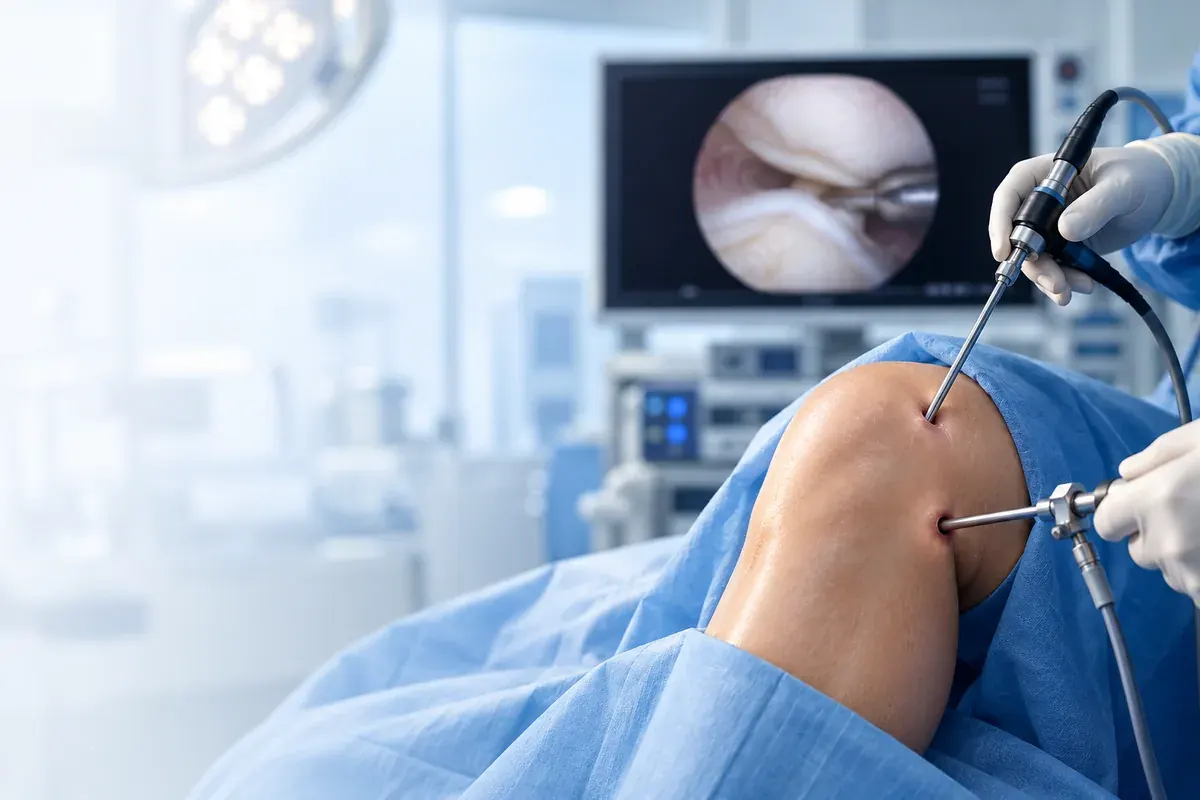
Arthroscopic meniscal repair, at a glance.
A quick summary of what the procedure involves, who it's for, and what to expect — from recovery to cost.
Arthroscopic meniscal repair is a minimally invasive, keyhole surgery that stitches a torn meniscus back together to preserve the knee's natural cushioning. Recommended for patients with a repairable tear pattern, often from a sports or twisting injury. Return to daily activity typically takes 4 to 6 weeks, with sport resuming around 4 to 6 months. Total cost varies by complexity and is confirmed during consultation.
ABOUT THE TREATMENT
A Smarter Approach to Meniscal Repair
Arthroscopic meniscal repair is a minimally invasive surgery that uses small incisions and a camera to stitch a torn meniscus back into place, rather than removing it. Dr. Unmesh assesses the tear pattern and blood supply to confirm it can be repaired, then carries out the procedure with precise, targeted instruments. The result is a preserved meniscus, better long-term knee health, and a real chance to avoid early arthritis.
Minimally
invasive
invasive
Precision
repair, not removal
repair, not removal
Faster return
to sport and activity
to sport and activity
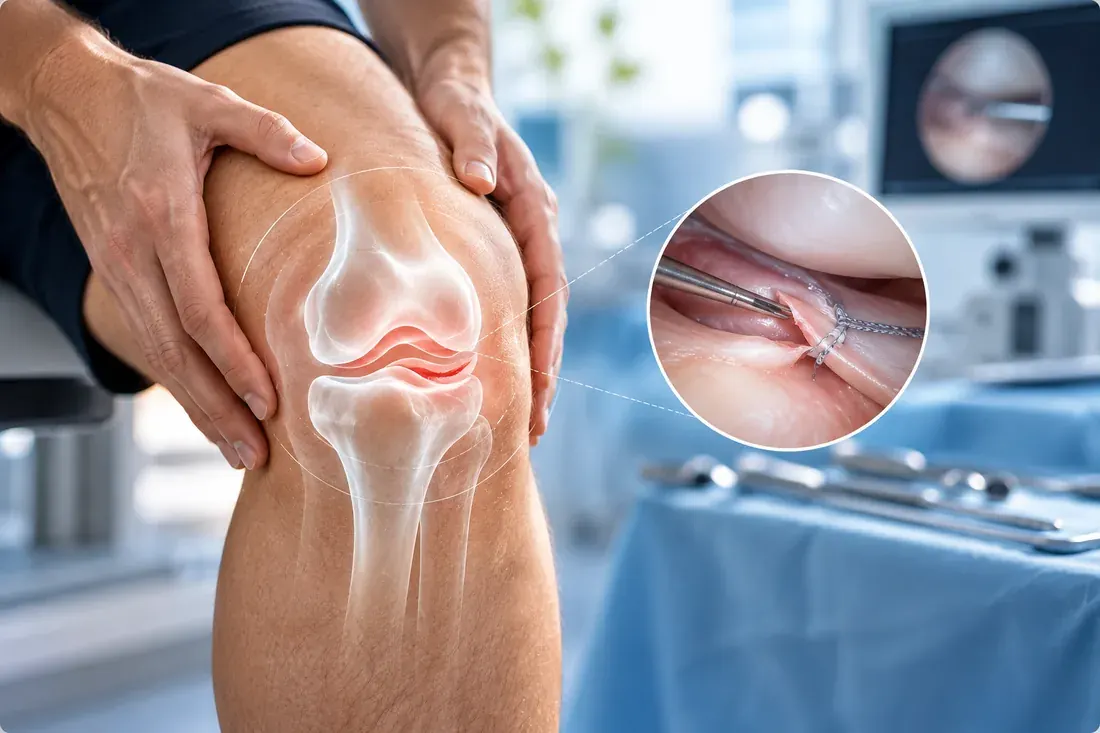
OUR SURGICAL APPROACH
Precision Arthroscopic Technique
-
01
High-definition arthroscopic camera
-
02
Small, keyhole incisions
-
03
Meniscus repaired, not removed — Preserving your knee's natural cushioning wherever possible
BENEFITS
Benefits of Arthroscopic
Meniscal Repair
A precise, minimally invasive path to a stronger knee. Preserving your meniscus helps protect your knee for the long run.
01
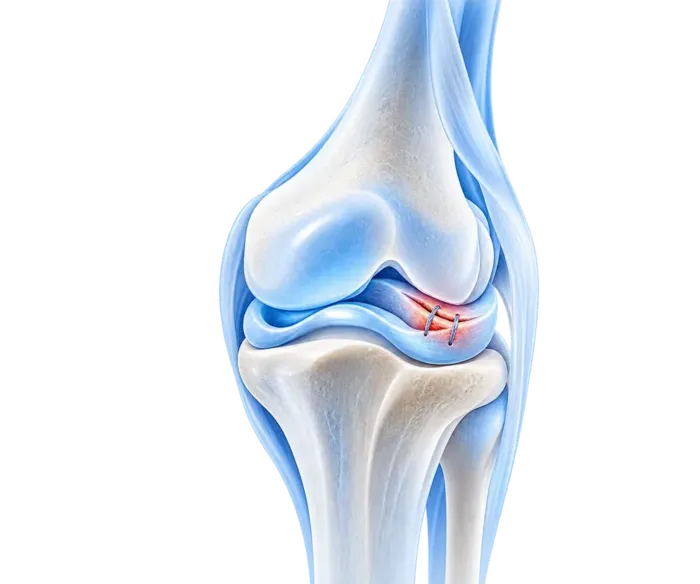
Preserves the
Preserves the
Meniscus
Torn tissue is repaired and preserved rather than removed.
02
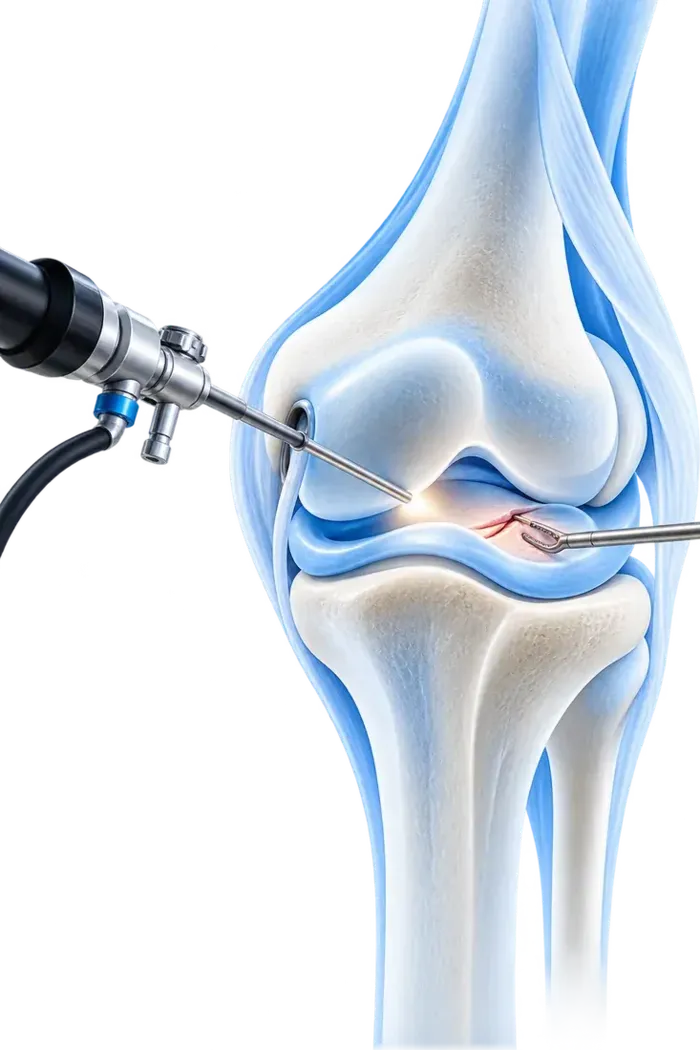
Minimally
Minimally
Invasive
Small keyhole incisions mean less tissue disruption and scarring.
03
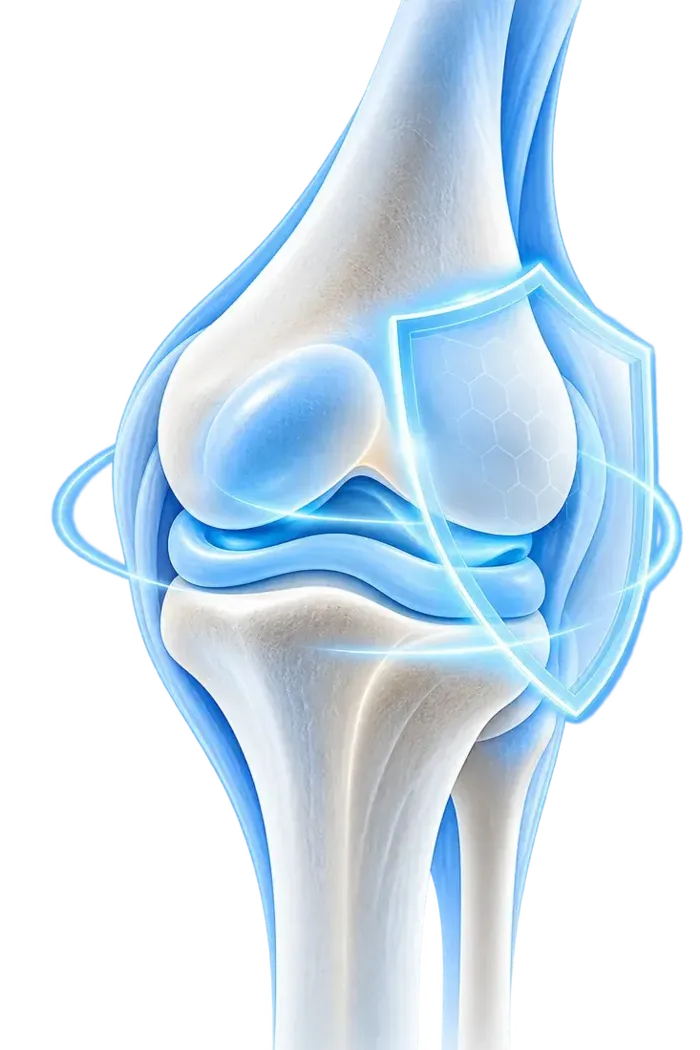
Reduced
Reduced
Arthritis Risk
Preserving the meniscus helps protect your knee from early wear.
04
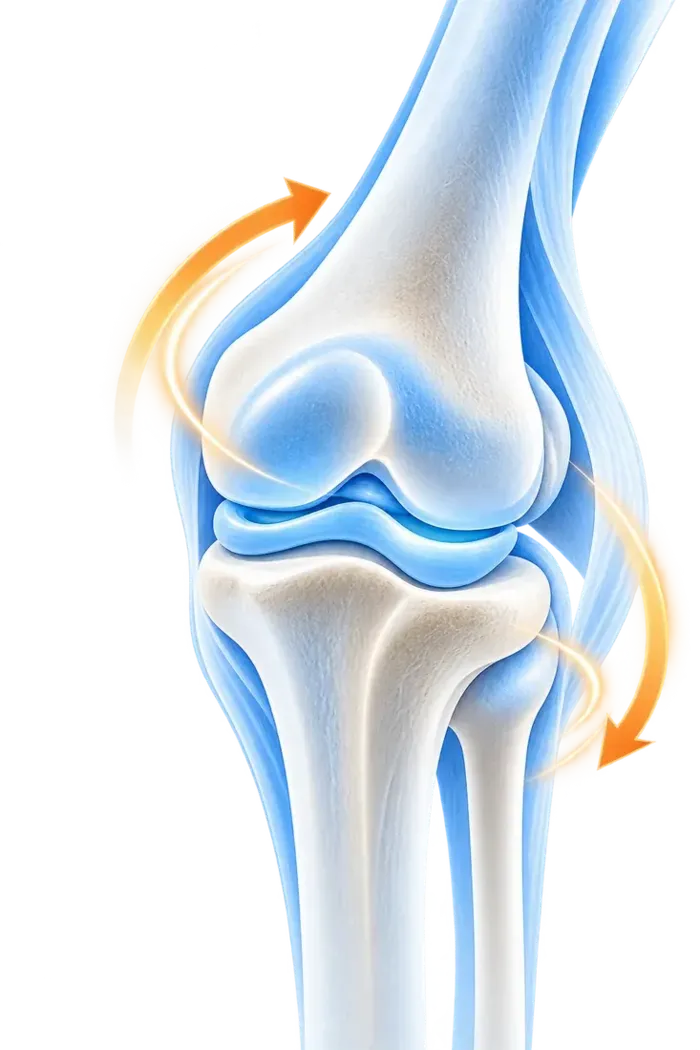
Better Long-Term
Better Long-Term
Function
A preserved meniscus supports more natural knee movement and stability.
05
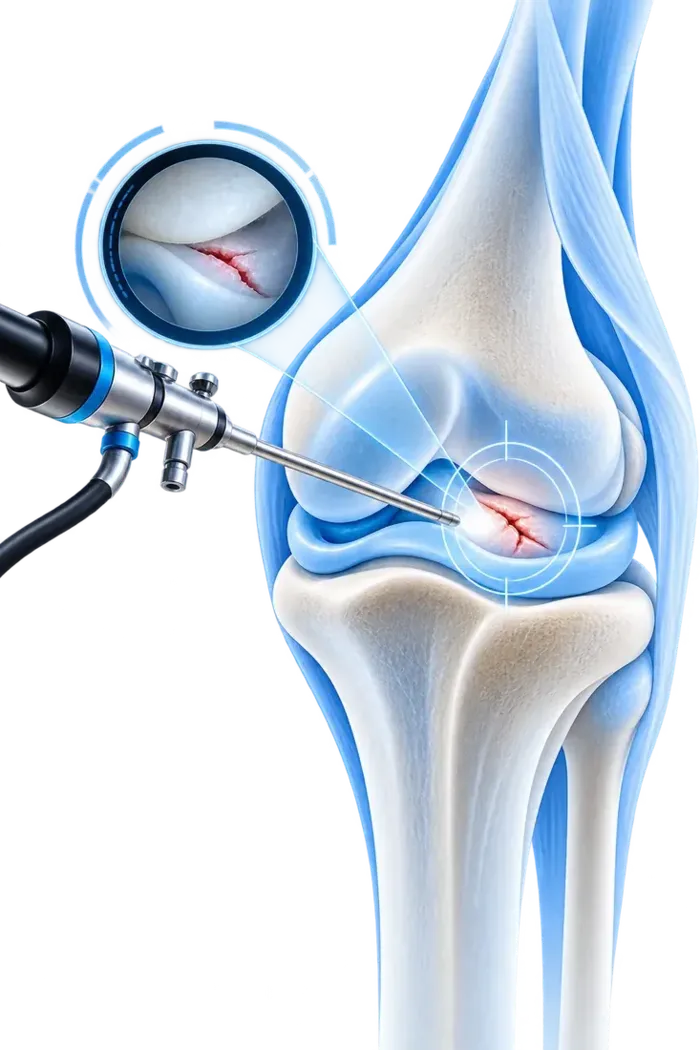
High-Definition
High-Definition
Precision
Arthroscopic camera guidance helps ensure an accurate, targeted repair.
06
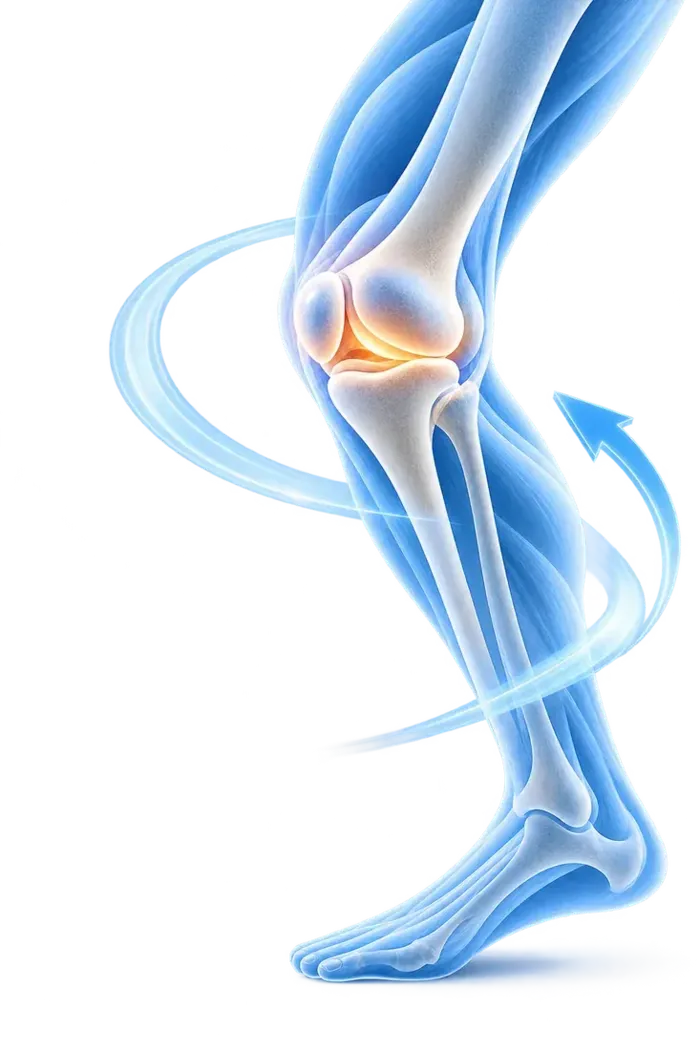
Ideal for
Ideal for
Active Patients
A preferred option for younger, active patients wanting to return to sport.
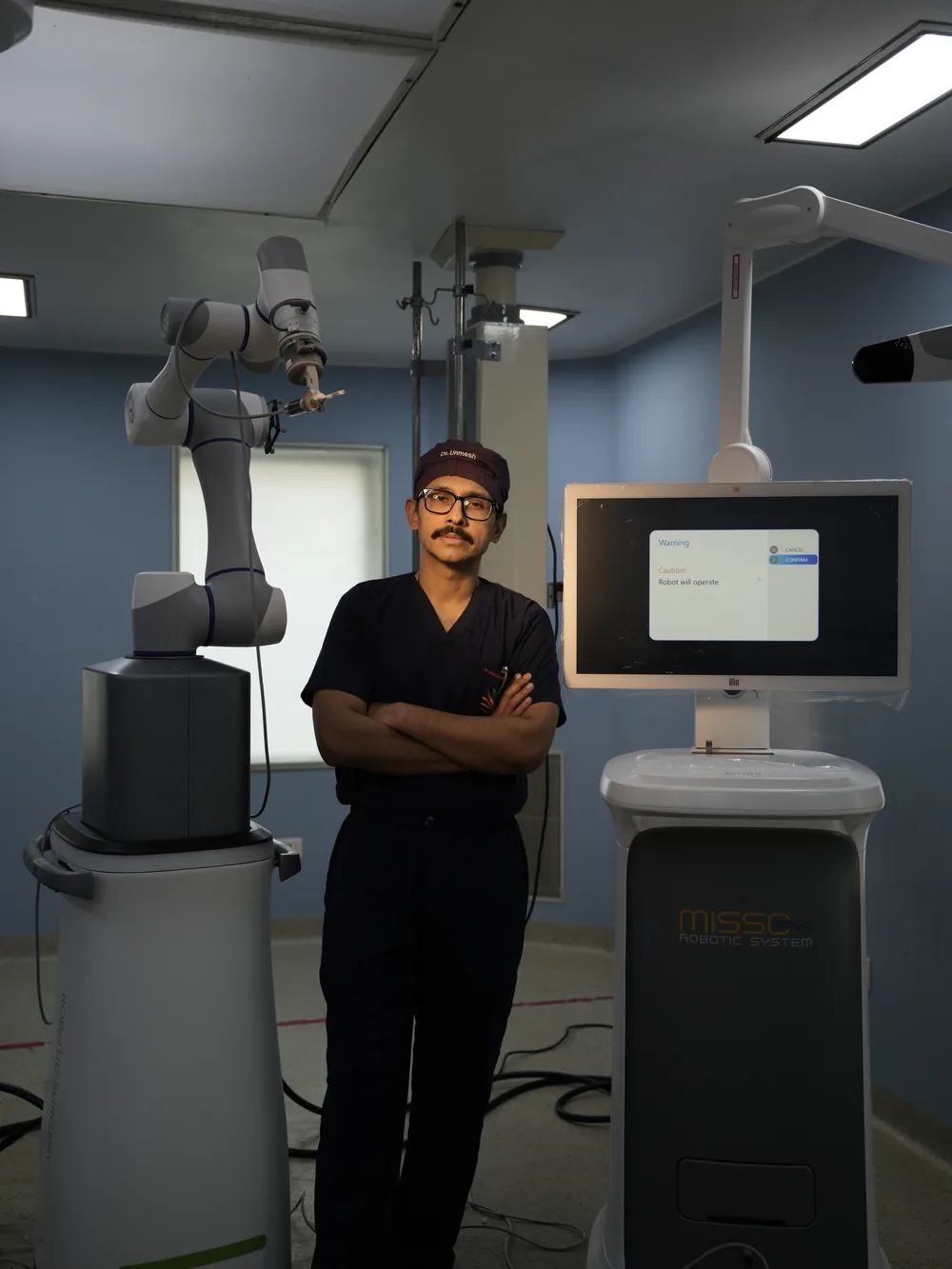
WHY CHOOSE DR. UNMESH
Experience. Expertise. Better Outcomes.
A patient-first approach, backed by years of experience and advanced surgical expertise, to help you move better and live pain-free.
19+
Years of
Experience
Experience
1,100+
Joint
Replacements
Replacements
14,000+
Surgeries
Performed
Performed
“
Surgery is never the first conversation — my goal is to help you move better and live pain-free, with or without an operation.
— Dr. UnmeshSYMPTOMS & WHO NEEDS IT?
Could Arthroscopic
Meniscal Repair Be
Right for You?
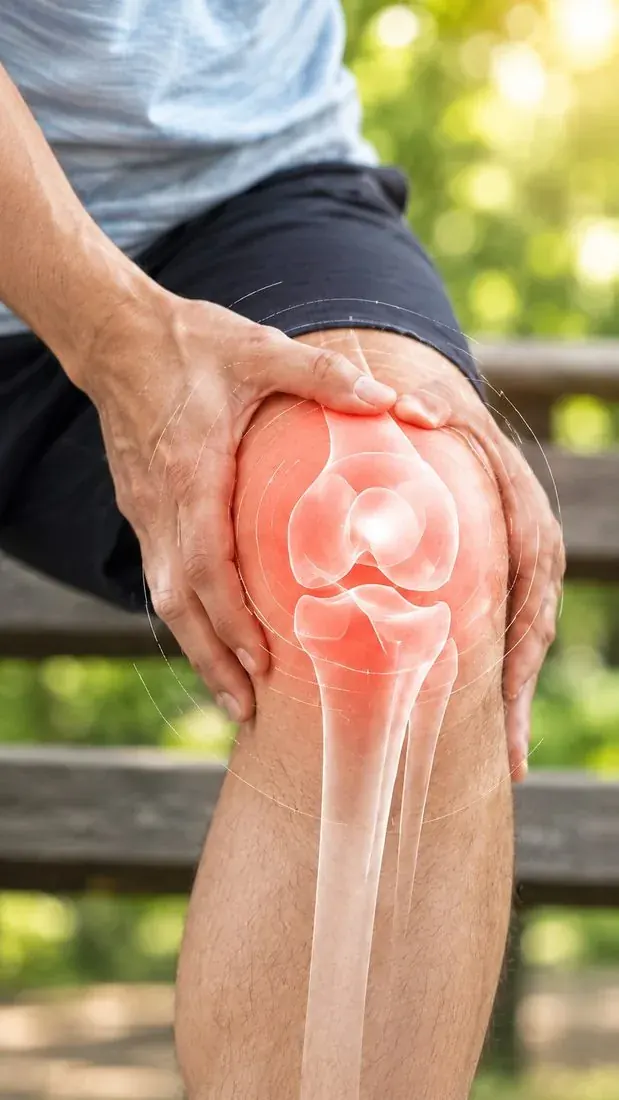
Not every meniscus tear needs surgery, but some patterns benefit from early repair. If you notice these signs after a twisting injury, it may be time for an assessment.
-
01
Knee Locking or Catching
A sensation of your knee locking or catching during movement.
-
02
Pain Along the Joint Line
Tenderness felt along the inner or outer edge of the knee joint.
-
03
water_drop
Swelling After Activity
Swelling that develops within hours of a twisting injury or activity.
-
04
accessibility_new
Difficulty Fully Straightening the Knee
A feeling that the knee cannot fully extend or bend.
-
05
Instability or Giving Way
A sense that the knee may buckle or give way under load.
-
06
Recent Twisting Injury
Symptoms that began after a sports injury or sudden twist.
HOW THE SURGERY WORKS
A Step-by-Step Journey
From consultation to recovery, we ensure a smooth and well-guided experience at every stage of your meniscal repair.
01
Consultation & Evaluation
We understand your condition, discuss your goals and create a personalised treatment plan.
02
Advanced Planning
Imaging such as an MRI helps confirm the tear pattern and plan your repair.
03
biotech
Arthroscopic Meniscal Repair
Using keyhole instruments and a camera, we repair the torn meniscus with precision.
04

Recovery & Rehabilitation
A guided rehabilitation programme, including brace and weight-bearing precautions, protects your repair as it heals.
05
Long-Term Support
We continue to monitor your progress to ensure lasting results and a better quality of life.
RECOVERY TIMELINE
What to Expect After Surgery
A repaired meniscus needs time to heal, so recovery is more gradual than removal — but protects your knee for the long run.
Day 1
Day SurgeryMost patients go home the same day, using crutches for support.
EARLY MOBILITY2–4 Weeks
Protected Weight-BearingA brace and limited weight-bearing protect the repair while it heals.
PROTECTING THE REPAIR6 Weeks
Progressive LoadingGradual increase in weight-bearing and range-of-motion exercises begins.
INCREASING MOBILITY3 Months
Building StrengthStrengthening exercises help rebuild muscle and confidence in the knee.
BUILDING STRENGTH4–6 Months
Return to SportMost patients return to full sport and activity with medical clearance.
BACK IN THE GAME
FREQUENTLY ASKED QUESTIONS
Your Questions, Answered
What is arthroscopic meniscal repair?
Arthroscopic meniscal repair is a minimally invasive keyhole surgery that stitches a torn meniscus back into place instead of removing it. Using small incisions and a camera, Dr. Unmesh repairs tears with a good blood supply, preserving the meniscus and supporting better long-term knee health.
How is repair different from meniscus removal (meniscectomy)?
Repair stitches the torn meniscus back together, preserving it, while removal (meniscectomy) trims away the damaged portion. Repair generally suits younger, active patients with a repairable tear pattern, and takes longer to heal, but helps protect the knee from early arthritis over the long term.
How long does the surgery take?
Arthroscopic meniscal repair typically takes 30 to 60 minutes, depending on the size and location of the tear. Using keyhole instruments and a high-definition camera, Dr. Unmesh repairs the tear with precision while keeping the procedure as minimally invasive as possible.
When can I put weight on my knee?
Most patients use crutches and limit weight-bearing for 2 to 4 weeks after surgery to protect the repair while it heals. Dr. Unmesh will guide you on a safe, gradual return to full weight-bearing based on your specific repair and recovery progress.
How long is the recovery period?
Initial recovery takes several weeks, with progressive rehabilitation continuing over 3 to 6 months. A repaired meniscus heals more slowly than a trimmed one, so following your brace, weight-bearing and physiotherapy plan closely gives the repair the best chance to heal well.
Will I need a brace?
Many patients wear a brace for the first few weeks to protect the repair and limit excessive bending while it heals. Dr. Unmesh will advise whether a brace is needed for your specific tear and repair technique.
Is arthroscopic surgery safe?
Yes, arthroscopic meniscal repair is a well-established, minimally invasive procedure with a strong safety record. Small incisions and precise, camera-guided instruments help minimise tissue trauma, and Dr. Unmesh monitors your recovery closely to catch any concerns early.
Am I a candidate for meniscal repair?
Suitability depends on the size, location and pattern of your tear, along with your age and activity level. Tears with a good blood supply are more likely to heal after repair, and Dr. Unmesh will confirm candidacy through examination and MRI imaging.
When can I return to sport?
Most patients return to full sport and activity around 4 to 6 months after surgery, once strength, stability and range of motion have been restored. Dr. Unmesh will confirm you are ready through a structured assessment before clearing you for sport.
What happens if the repair doesn't heal?
In a small number of cases, a repair may not heal fully, and further treatment such as a meniscectomy may be needed. Dr. Unmesh will monitor your recovery closely and discuss options promptly if healing does not progress as expected.