“My first implant loosened after years of use. Dr. Unmesh's revision gave me back a stable knee.”
JOINT REPLACEMENT
Revision Knee
Revision Knee
Replacement
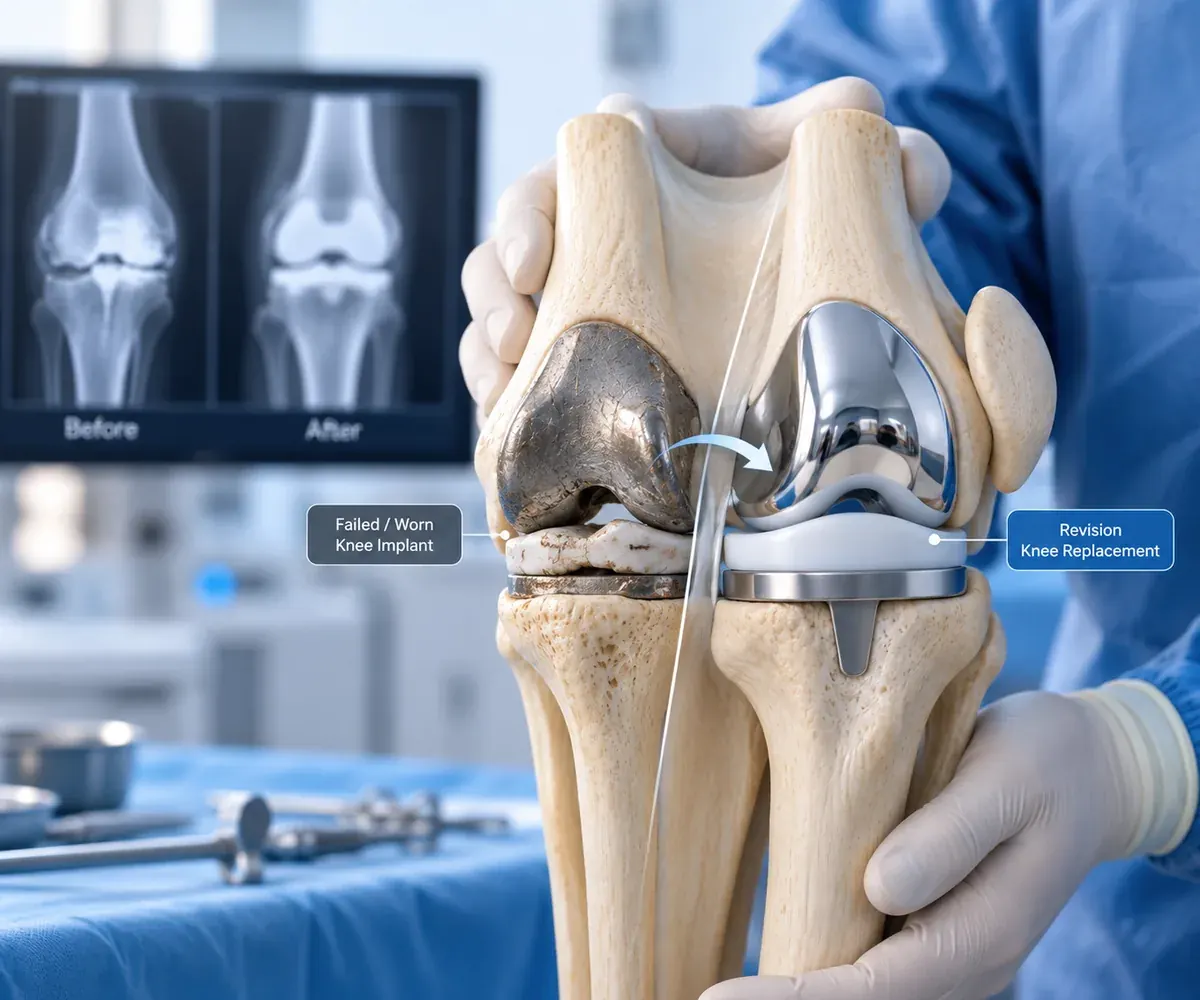
A specialised procedure to replace a worn, loose, infected or failed knee implant — restoring stability and function when your first replacement hasn't lasted.
Revision knee replacement, at a glance.
A quick summary of what the procedure involves, who it's for, and what to expect — from recovery to cost.
Revision knee replacement removes a worn, loose, infected or failed implant and replaces it with new, specialised components — often with bone grafting to restore lost bone. Recommended for patients with implant failure, persistent pain or instability after a prior replacement. Surgery is more complex and hospital stay longer than a first-time replacement, at 4 to 7 days, with steady improvement over 3 to 6 months.
ABOUT THE TREATMENT
Specialised Care for a Failed Implant
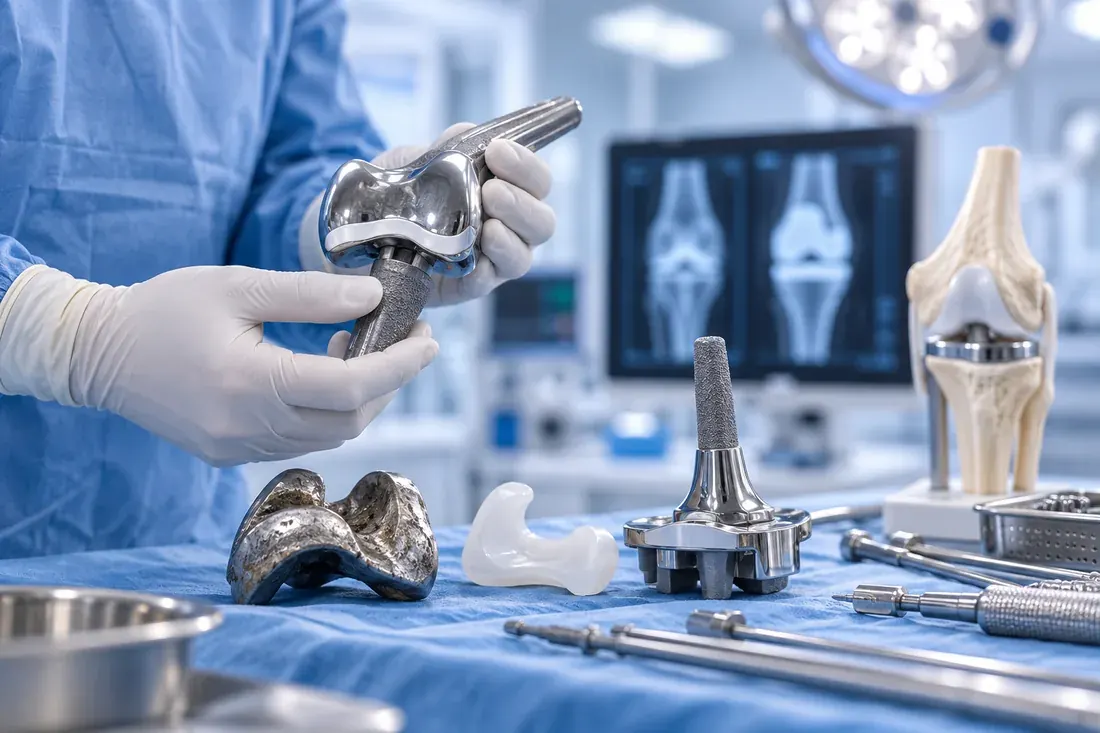
Not every knee replacement lasts forever. Implants can wear, loosen, become infected, or fail due to instability or fracture around the joint. Revision knee replacement carefully removes the failed components, addresses any bone loss with grafting or augments, and places a new, specially designed implant built for the demands of a second surgery. Dr. Unmesh approaches every revision case individually, since no two failed implants present the same challenges.
Bone
reconstruction
reconstruction
Specialised
revision implants
revision implants
Restored
stability and function
stability and function
OUR SURGICAL APPROACH
Revision Surgical Technique
-
01
Detailed imaging & workup to confirm cause of failure
-
02
Careful removal of the failed implant
-
03
Bone grafting & specialised implant placement — Dr. Unmesh confirms stability before closing
BENEFITS
Benefits of Revision
Knee Replacement
A second chance at a stable, pain-free knee, built on a carefully individualised surgical plan.
01
Relief From
Relief From
Ongoing Pain
Addressing implant failure relieves pain that a worn or loose implant was causing.
02
Restored
Restored
Stability
A new, well-fixed implant restores the stability your knee has been missing.
03
Bone Loss
Bone Loss
Addressed
Grafting and augments rebuild bone lost around the original implant.
04
Purpose-Built
Purpose-Built
Implants
Specialised revision components are designed for the demands of re-surgery.
05
Individualised
Individualised
Surgical Plan
Every revision case is different — your plan is built around your specific failure.
06
A Path Back
A Path Back
to Mobility
Structured rehabilitation helps you rebuild strength and confidence again.
WHY CHOOSE DR. UNMESH
Experience. Expertise. Better Outcomes.
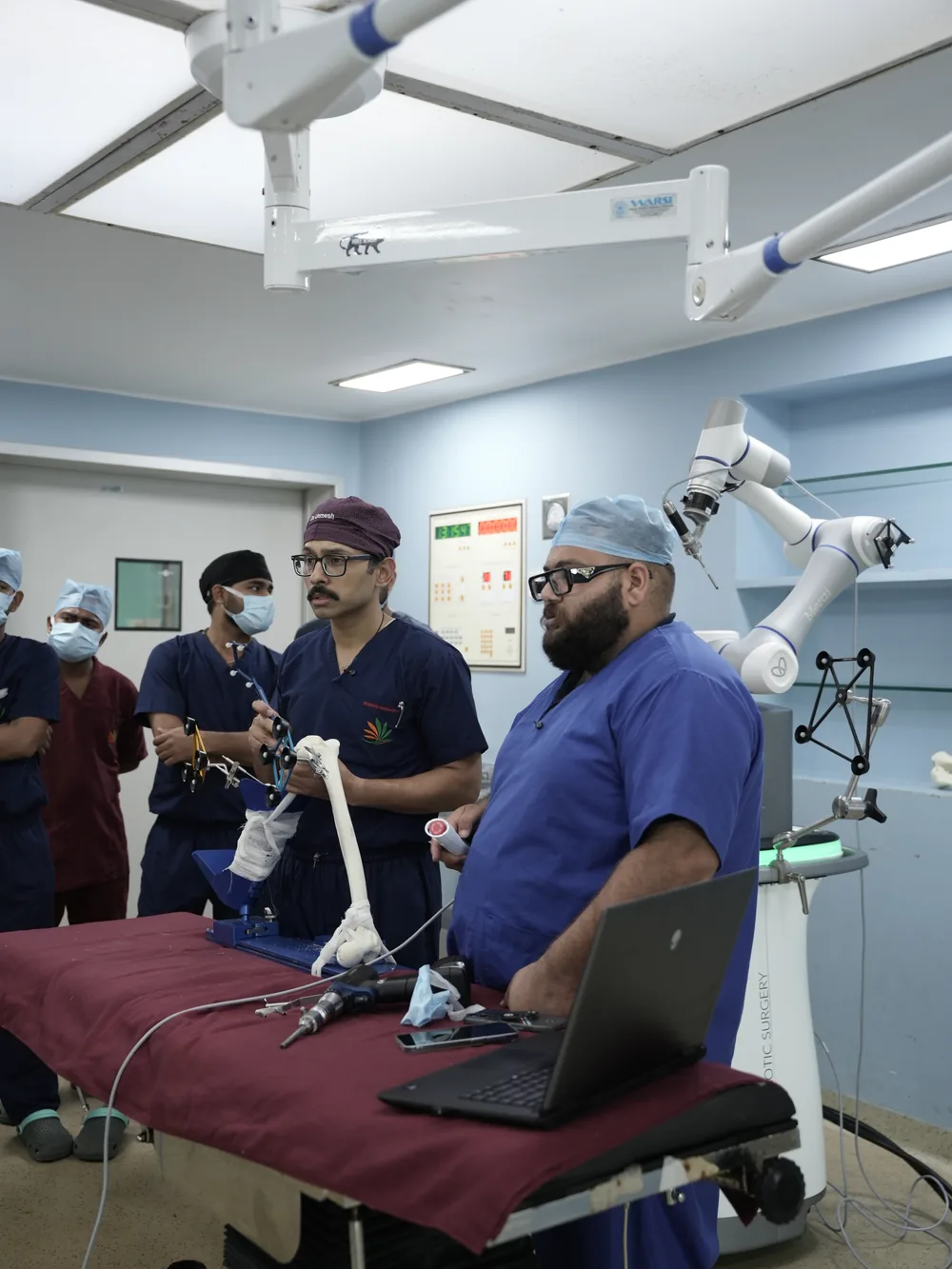
A patient-first approach, backed by years of experience and advanced surgical expertise, to help you move better and live pain-free.
19+
Years of
Experience
Experience
1,100+
Joint
Replacements
Replacements
14,000+
Surgeries
Performed
Performed
“
Surgery is never the first conversation — my goal is to help you move better and live pain-free, with or without an operation.
— Dr. UnmeshSIGNS OF IMPLANT FAILURE
Could You Need a
Revision
Knee Replacement?
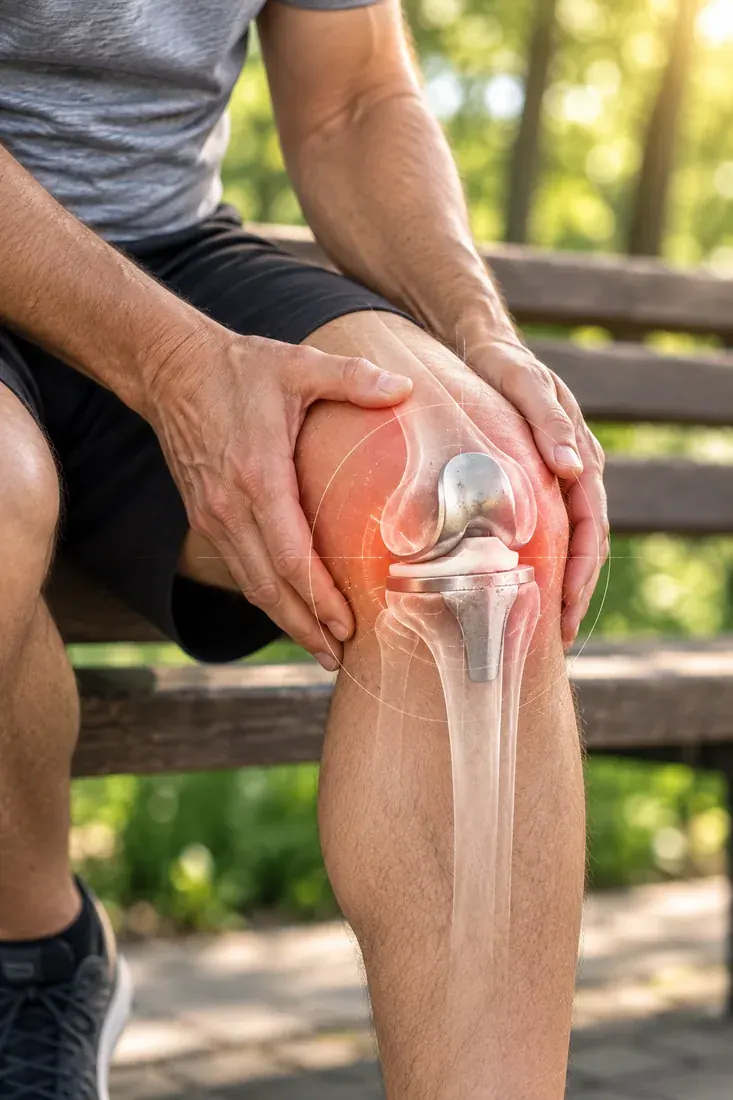
If your existing implant is causing new or worsening symptoms, it's worth having it evaluated. Not every issue needs surgery — but some do.
-
01
Increasing or New Pain
Pain that returns or worsens years after your original replacement.
-
02
A Feeling of Instability
The knee feels like it may give way or shift during activity.
-
03
monitoring
Visible Changes on X-ray
Imaging shows implant loosening, wear or bone changes.
-
04
Signs of Infection
Persistent swelling, warmth, redness or fever around the joint.
-
05
accessibility_new
Stiffness or Reduced Motion
A knee that has gradually become stiffer or harder to move.
-
06
Fracture Around the Implant
A break in the bone near the implant following an injury or fall.
HOW THE SURGERY WORKS
A Step-by-Step Journey
Revision surgery calls for careful planning at every stage — here's what the process looks like.
01
Evaluation of Implant Failure
We assess your symptoms, imaging and history to confirm why your implant has failed.
02
radiology
Detailed Surgical Planning
Advanced imaging helps plan implant removal and any bone reconstruction needed.
03
Implant Removal & Reconstruction
The failed implant is carefully removed, bone loss addressed, and a new implant placed.
04

Guided Rehabilitation
A structured, gradual physiotherapy programme supports safe healing and strength.
05
Close, Long-Term Follow-Up
We monitor healing closely to protect the durability of your revision implant.
RECOVERY TIMELINE
What to Expect After Surgery
Recovery from revision surgery is more gradual than a first-time replacement, with steady improvement over several months.
Day 1–2
Close MonitoringEarly mobilisation with careful support and pain management.
STABILISINGWeek 2–4
Guarded Weight-BearingGradual weight-bearing as advised, protecting the reconstruction.
PROTECTED HEALINGWeek 6–8
Regaining RoutineReturn to most household activities with continued therapy.
INCREASING INDEPENDENCEMonth 3–6
Building StrengthSteady gains in stability, strength and confidence in the knee.
BUILDING STRENGTHUp to 12 Months
Full RecoveryContinued improvement toward a stable, confident, pain-free knee.
LONG-TERM STABILITY
FREQUENTLY ASKED QUESTIONS
Your Questions, Answered
What is revision knee replacement?
Revision knee replacement is a specialised surgery that removes a worn, loose, infected or otherwise failed knee implant and replaces it with new components, often requiring bone reconstruction.
Why would I need a revision?
Common reasons include implant loosening or wear over time, infection, instability, stiffness, fracture around the implant, or persistent pain that hasn't resolved after the original replacement.
Is revision surgery riskier than primary replacement?
Revision surgery is more complex than a first-time replacement because it involves removing existing components and addressing any bone loss, so it typically takes longer and carries a higher level of surgical complexity.
How is bone loss around the old implant managed?
Depending on the extent of bone loss, Dr. Unmesh may use bone grafting, metal augments or specialised revision implants designed to restore stability and support long-term function.
What if the implant failed due to infection?
Infected implants may require a staged approach — removing the infected implant, treating the infection, and then placing a new implant once the joint is clear, to protect long-term outcomes.
How long does revision surgery take?
Revision knee replacement generally takes longer than a primary replacement, often 2 to 3 hours, depending on the complexity of implant removal and bone reconstruction required.
How long is the hospital stay and recovery?
Hospital stay is typically 4 to 7 days, with a more gradual recovery than primary replacement. Most patients see steady improvement over 3 to 6 months, with continued gains for up to a year.
Will my new implant last as long as the first one?
Revision implants are built for durability, though outcomes depend on bone quality and the reason for revision. Dr. Unmesh will discuss realistic expectations specific to your case.
How do I know if my implant has failed?
Warning signs include increasing pain, swelling, instability, stiffness, a grinding or clicking sensation, or visible changes on X-ray. Any of these should prompt a prompt evaluation.
Am I a candidate for revision surgery?
Candidacy depends on the cause and severity of implant failure, your bone quality and overall health. Dr. Unmesh will confirm suitability through examination, imaging and relevant investigations.