“The robotic precision gave me real confidence going into hip surgery.”
ROBOTIC JOINT REPLACEMENT
Robotic Hip
Robotic Hip
Replacement
A modern, image-guided approach to hip replacement using MISSO robotic technology for precise, personalised implant positioning and faster recovery.
Robotic hip replacement, at a glance.
A quick summary of what the procedure involves, who it's for, and what to expect — from recovery to cost.
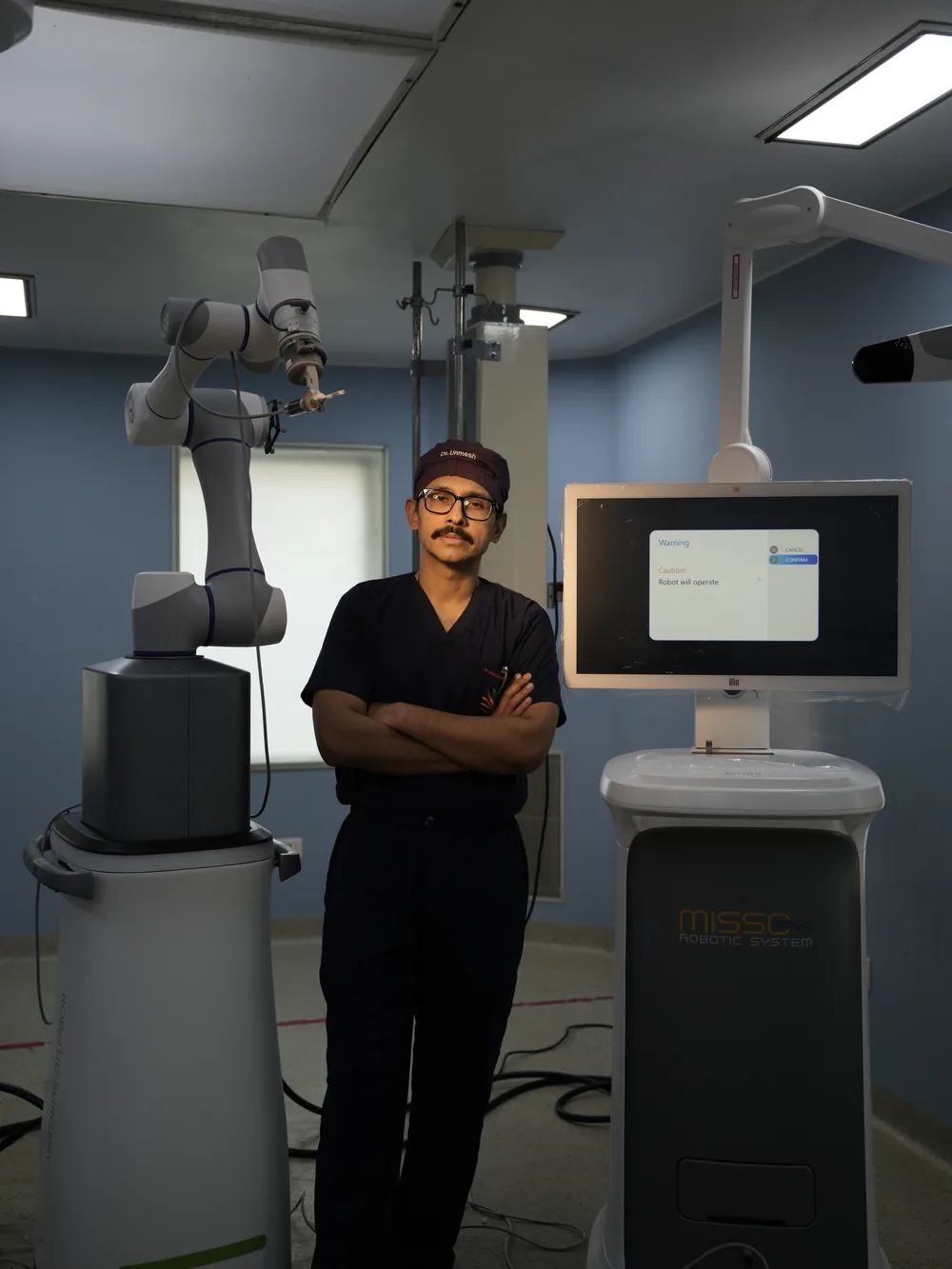
Robotic hip replacement is a precision, image-guided surgery using Dr. Unmesh Chakraverty's MISSO robotic system to replace a worn or damaged hip joint. It is generally recommended for patients with advanced hip arthritis when other treatments haven't provided enough relief. Recovery to daily activities typically takes 3 to 6 weeks. Total cost varies by implant and hospital stay, confirmed during consultation.
ABOUT THE TREATMENT
A Smarter Approach to Hip Replacement
Robotic hip replacement is an advanced form of hip surgery that uses 3D imaging and robotic guidance to replace a damaged or worn hip joint. A personalised surgical plan is created from your own anatomy, then the MISSO robotic arm helps Dr. Unmesh execute it with sub-millimetre precision. The result is more accurate implant positioning, restored leg length and joint mechanics, and a smoother path to recovery.
Personalised
for your anatomy
for your anatomy
Greater
accuracy
accuracy
Better function
and longer-lasting results
and longer-lasting results
OUR ROBOTIC PLATFORM
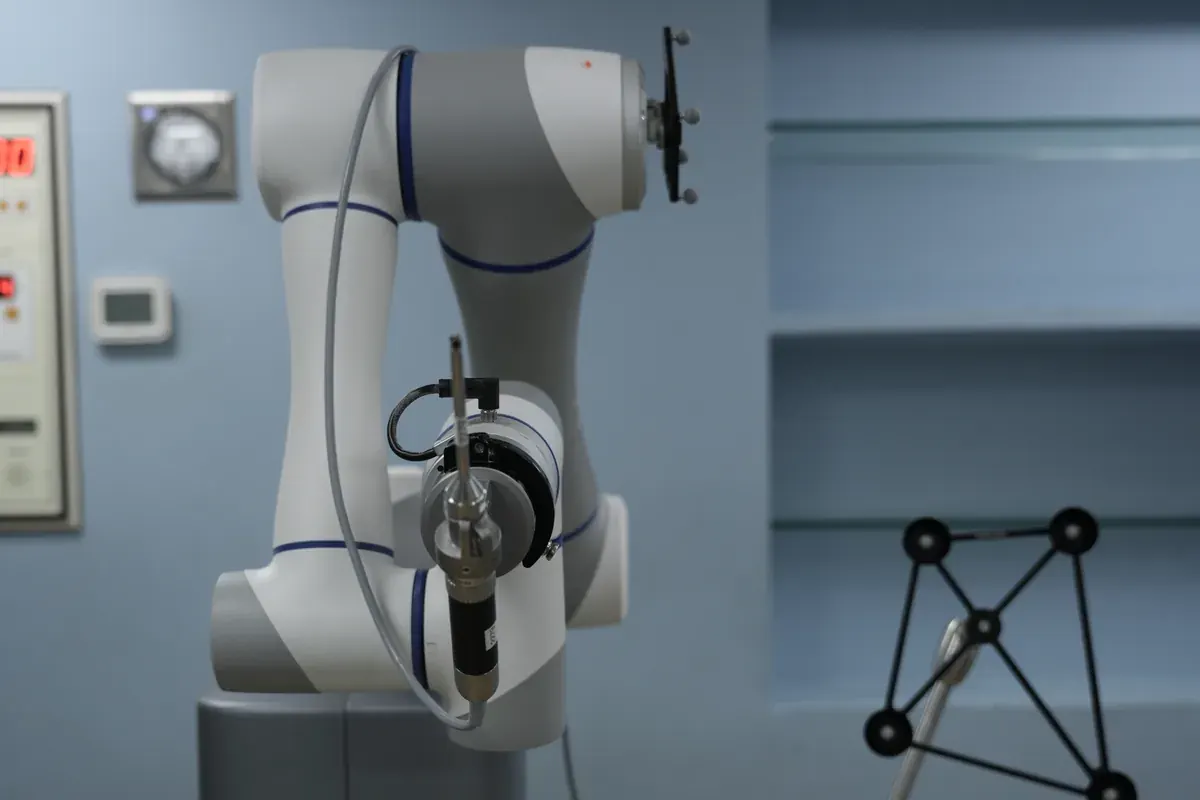
MISSO Robotic System
-
01
High-definition 3D planning
-
02
Robotic arm guidance
-
03
Surgeon in control — Dr. Unmesh makes every decision
BENEFITS
Benefits of Robotic
Hip Replacement
Precision-guided surgery built around your own anatomy, for lasting relief from hip arthritis.
01
Lasting Pain
Lasting Pain
Relief
Replacing the damaged joint relieves pain across the hip and groin.
02
Robotic
Robotic
Precision
The MISSO system helps position the implant with sub-millimetre accuracy.
03
Restored Leg
Restored Leg
Length & Mechanics
Precise planning helps restore natural leg length and joint mechanics.
04
Long-Lasting
Long-Lasting
Implant
Modern implants placed with precision can last 20 to 25 years or more.
05
Personalised
Personalised
Planning
Your unique anatomy shapes every part of your surgical plan.
06
Faster
Faster
Recovery
Robotic precision supports a smoother path back to daily activity.
WHY CHOOSE DR. UNMESH
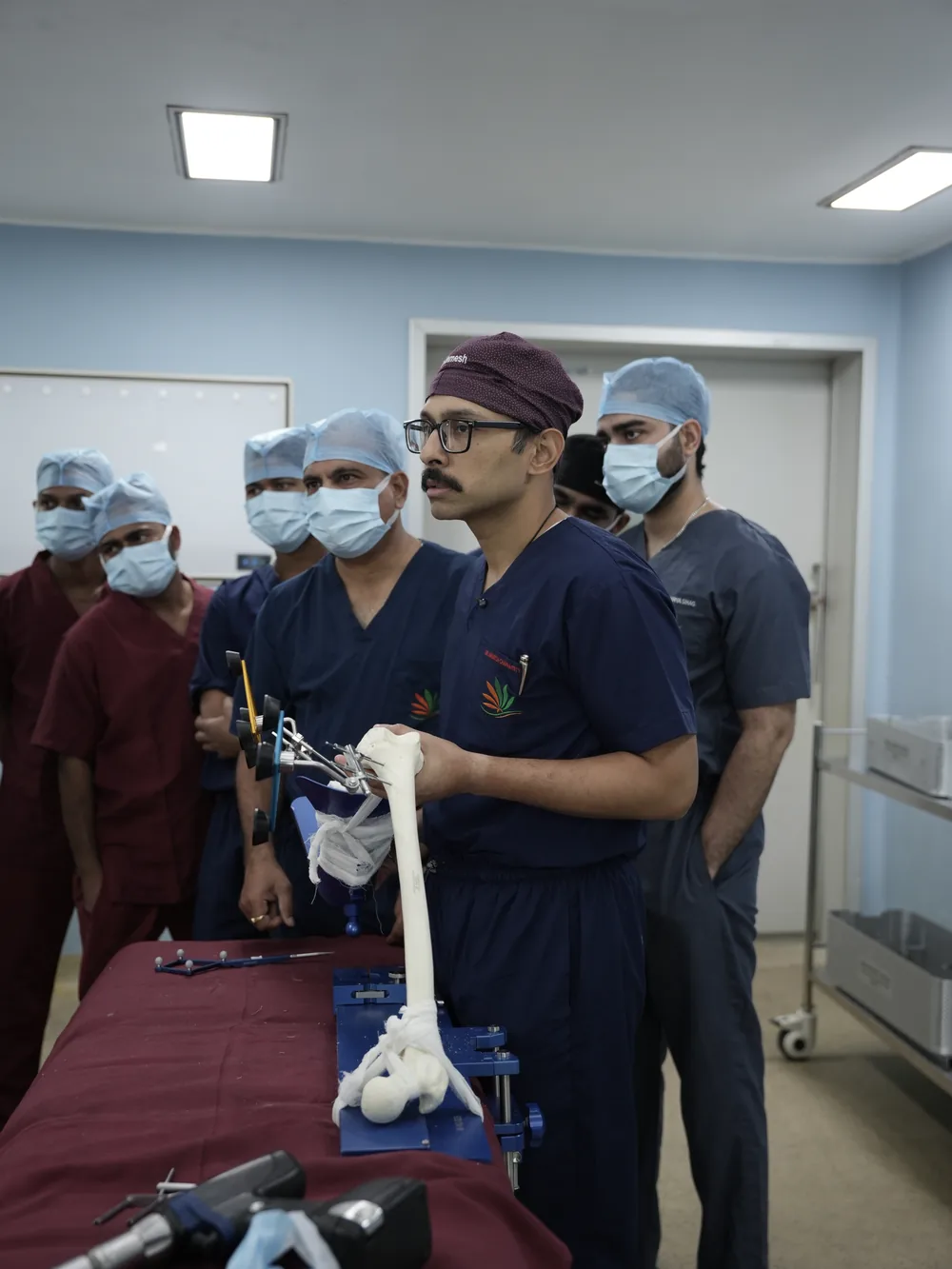
Experience. Expertise. Better Outcomes.
A patient-first approach, backed by years of experience and advanced surgical expertise, to help you move better and live pain-free.
19+
Years of
Experience
Experience
1,100+
Joint
Replacements
Replacements
14,000+
Surgeries
Performed
Performed
“
Surgery is never the first conversation — my goal is to help you move better and live pain-free, with or without an operation.
— Dr. UnmeshSYMPTOMS & WHO NEEDS IT?
Could Robotic Hip
Replacement Be
Right for You?
Not every hip problem needs replacement. If your pain is persistent and linked to advanced arthritis, it may be time for an assessment.
-
01
Persistent Hip or Groin Pain
Deep pain in the hip or groin that doesn't ease with rest.
-
02
monitoring
Advanced Arthritis
Imaging shows significant wear of the hip joint surfaces.
-
03
accessibility_new
Stiffness & Reduced Range of Motion
Difficulty with movements like putting on shoes or getting out of a car.
-
04
A Noticeable Limp
Walking pattern changes to compensate for hip pain.
-
05
Limited Response to Conservative Care
Pain that hasn't improved enough with medication or physiotherapy.
-
06
Reduced Quality of Life
Ongoing pain that affects sleep, mood and everyday independence.

HOW THE SURGERY WORKS
A Step-by-Step Journey
From consultation to recovery, we ensure a smooth and well-guided experience at every stage of your robotic hip replacement.
01
Consultation & Evaluation
We understand your condition, discuss your goals and create a personalised treatment plan.
02
view_in_ar
3D Robotic Planning
Detailed 3D imaging helps us design a precise, personalised implant plan.
03
precision_manufacturing
Robotic-Assisted Surgery
Using the MISSO system, we perform your hip replacement with enhanced precision and control.
04
Recovery & Rehabilitation
A guided physiotherapy programme helps you regain strength and mobility.
05
Long-Term Support
We continue to monitor your progress to ensure lasting results and a better quality of life.
RECOVERY TIMELINE
What to Expect After Surgery
Most patients return to daily activities within a few weeks, with continued improvement over the following months.
Day 1
First StepsStanding and walking with support.
EARLY MOBILITYWeek 2–3
Building ConfidenceWalking with less support and reduced pain.
GREATER COMFORTWeek 3–6
Back to RoutineGradually returning to light everyday activities.
INCREASING INDEPENDENCEMonth 3
Moving BetterImproved strength, balance and confidence.
BUILDING STRENGTH3–6 Months
Long-Term RecoveryFull recovery and return to an active lifestyle.
A MORE ACTIVE YOU
FREQUENTLY ASKED QUESTIONS
Your Questions, Answered
What is robotic hip replacement?
Robotic hip replacement uses 3D imaging and the MISSO robotic system to help Dr. Unmesh position your hip implant with greater precision, based on a surgical plan built around your own anatomy.
Does the robot perform the surgery?
No, Dr. Unmesh performs every part of your surgery. The MISSO robotic arm assists by executing the pre-planned implant positioning with sub-millimetre accuracy, under his direct control throughout.
How is this different from standard hip replacement?
The robotic approach adds detailed 3D pre-surgical planning and robotic-guided execution, which helps improve implant positioning accuracy and can support more consistent leg length and joint mechanics compared to conventional instrumentation.
How does the MISSO system work?
Before surgery, your hip is mapped using 3D imaging to build a personalised plan. During surgery, the MISSO robotic arm guides implant positioning precisely to that plan, while Dr. Unmesh remains in full control.
How long does the surgery take?
Robotic hip replacement typically takes 60 to 90 minutes. The additional planning and robotic guidance are built into an efficient surgical workflow.
When can I walk after surgery?
Most patients stand and walk with support on the same day or within 24 hours of surgery, as part of a structured early mobilisation protocol.
How long is the recovery period?
Most patients resume light daily activities within 3 to 6 weeks, with continued improvement in strength and confidence over 3 to 6 months.
Does robotic assistance reduce complications?
Precise, personalised implant positioning may help reduce certain risks, such as leg length discrepancy or implant malalignment, though individual outcomes depend on many factors specific to your case.
How long does the implant last?
Modern implants placed with robotic precision can last 20 to 25 years or more with proper care, as accurate positioning helps distribute joint load evenly over time.
Am I a candidate for robotic hip replacement?
Candidacy depends on the severity of your hip arthritis, ongoing pain despite conservative treatment, and its impact on daily life. Dr. Unmesh will confirm suitability through examination and imaging.